
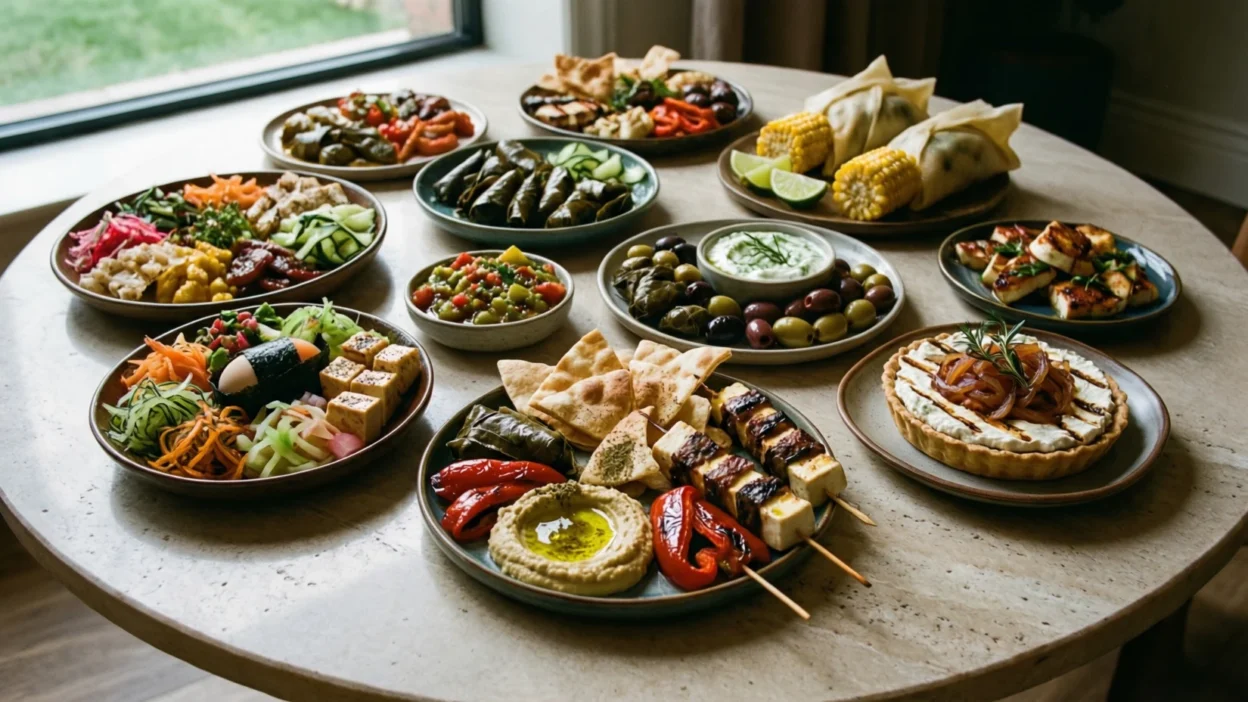
The word appetizer is widely used in food culture, restaurants, travel, and everyday dining conversations, because it refers to a small dish served before the main meal.
Therefore, learning how to say appetizer in different languages helps you order food confidently, understand menus clearly, and enjoy global cuisines more deeply. Moreover, when you explore appetizer in all languages, you discover how cultures introduce meals with light, flavorful dishes that stimulate the appetite.
As a result, this guide to appetizer translations and appetizer around the world is especially useful for travelers, food lovers, students, and language learners, since it combines native terms with real example sentences in one simple, readable format.
| Language | Native Phrase | Native Example Sentence |
|---|---|---|
| English | Appetizer | The appetizer was delicious. |
| Spanish | Aperitivo | El aperitivo estaba sabroso. |
| French | Entrée | L’entrée était très bonne. |
| German | Vorspeise | Die Vorspeise war lecker. |
| Italian | Antipasto | L’antipasto era ottimo. |
| Portuguese | Aperitivo | O aperitivo estava delicioso. |
| Dutch | Voorgerecht | Het voorgerecht was heerlijk. |
| Swedish | Förrätt | Förrätten smakade bra. |
| Norwegian | Forrett | Forretten var god. |
| Danish | Forret | Forretten var lækker. |
| Finnish | Alkuruoka | Alkuruoka oli maukas. |
| Russian | Закуска | Закуска была вкусной. |
| Ukrainian | Закуска | Закуска була смачною. |
| Polish | Przystawka | Przystawka była pyszna. |
| Czech | Předkrm | Předkrm byl chutný. |
| Slovak | Predjedlo | Predjedlo bolo výborné. |
| Hungarian | Előétel | Az előétel finom volt. |
| Romanian | Aperitiv | Aperitivul a fost gustos. |
| Bulgarian | Предястие | Предястието беше вкусно. |
| Greek | Ορεκτικό | Το ορεκτικό ήταν νόστιμο. |
| Turkish | Meze | Meze çok lezzetliydi. |
| Arabic | مقبلات | كانت المقبلات لذيذة. |
| Hebrew | מנה ראשונה | המנה הראשונה הייתה טעימה. |
| Persian | پیشغذا | پیشغذا خوشمزه بود. |
| Hindi | क्षुधावर्धक | क्षुधावर्धक स्वादिष्ट था। |
| Urdu | اشتہا بڑھانے والا | یہ اشتہا بڑھانے والا لذیذ تھا۔ |
| Bengali | ক্ষুধা বাড়ানোর খাবার | খাবারটি সুস্বাদু ছিল। |
| Punjabi | ਸ਼ੁਰੂਆਤੀ ਖਾਣਾ | ਸ਼ੁਰੂਆਤੀ ਖਾਣਾ ਵਧੀਆ ਸੀ। |
| Tamil | முன்னுணவு | முன்னுணவு சுவையாக இருந்தது. |
| Telugu | ప్రారంభ వంటకం | ప్రారంభ వంటకం రుచిగా ఉంది. |
| Marathi | स्टार्टर | स्टार्टर चविष्ट होता. |
| Gujarati | સ્ટાર્ટર | સ્ટાર્ટર સ્વાદિષ્ટ હતો. |
| Kannada | ಆರಂಭಿಕ ತಿಂಡಿ | ಆರಂಭಿಕ ತಿಂಡಿ ರುಚಿಯಾಗಿತ್ತು. |
| Malayalam | മുൻഭക്ഷണം | മുൻഭക്ഷണം രുചികരമായിരുന്നു. |
| Sinhala | ආරම්භක ආහාරය | ආරම්භක ආහාරය රසවත් විය. |
| Thai | อาหารเรียกน้ำย่อย | อาหารเรียกน้ำย่อยอร่อยมาก |
| Vietnamese | Món khai vị | Món khai vị rất ngon. |
| Indonesian | Hidangan pembuka | Hidangan pembuka enak. |
| Malay | Pembuka selera | Pembuka selera itu sedap. |
| Filipino | Pampagana | Masarap ang pampagana. |
| Chinese (Mandarin) | 开胃菜 | 开胃菜很好吃。 |
| Japanese | 前菜 | 前菜は美味しかった。 |
| Korean | 애피타이저 | 애피타이저가 맛있었다. |
| Mongolian | Амттан | Амттан сайхан байсан. |
| Nepali | प्रारम्भिक परिकार | प्रारम्भिक परिकार स्वादिष्ट थियो। |
| Swahili | Kitangulizi | Kitangulizi kilikuwa kitamu. |
| Zulu | Isiqalo sokudla | Isiqalo sokudla besimnandi. |
| Afrikaans | Voorgereg | Die voorgereg was lekker. |
| Hausa | Abincin farawa | Abincin farawa ya yi daɗi. |
| Yoruba | Ounjẹ ibẹrẹ | Ounjẹ ibẹrẹ dun. |
| Igbo | Nri mbido | Nri mbido dị ụtọ. |
| Amharic | መጀመሪያ ምግብ | መጀመሪያ ምግብ ጣፋጭ ነበር። |
| Somali | Cunto hordhac | Cuntada hordhaca ah way macaaneyd. |
| Icelandic | Forréttur | Forrétturinn var góður. |
| Irish | Réamhchúrsa | Bhí an réamhchúrsa blasta. |
| Welsh | Cwrs cyntaf | Roedd y cwrs cyntaf yn flasus. |
| Basque | Hasierakoa | Hasierakoa goxoa zen. |
| Catalan | Aperitiu | L’aperitiu era deliciós. |
| Galician | Aperitivo | O aperitivo estaba bo. |
| Esperanto | Antaŭmanĝo | La antaŭmanĝo estis bongusta. |
| Latvian | Uzkoda | Uzkoda bija garšīga. |
| Lithuanian | Užkandis | Užkandis buvo skanus. |
| Estonian | Eelroog | Eelroog oli maitsev. |
| Slovenian | Predjed | Predjed je bil okusen. |
| Croatian | Predjelo | Predjelo je bilo ukusno. |
| Serbian | Предјело | Предјело је било укусно. |
| Albanian | Meze | Meze ishte e shijshme. |
| Armenian | Նախուտեստ | Նախուտեստը համեղ էր։ |
| Georgian | წინასწარი კერძი | კერძი გემრიელი იყო. |
| Kazakh | Тіскебасар | Тіскебасар дәмді болды. |
| Uzbek | Gazak | Gazak mazali edi. |
| Pashto | مخکینی خواړه | مخکینی خواړه خوندور وو. |
| Kurdish | Xwarina destpêkê | Xwarina destpêkê xweş bû. |
| Maori | Kai tīmatanga | He reka te kai tīmatanga. |
| Hawaiian | Mea hoʻomaka | Ua ʻono ka mea hoʻomaka. |
What Does Appetizer Mean Around the World?
Across cultures, appetizer refers to a small dish served before the main course to stimulate hunger and set the tone for the meal.
How Appetizers Are Used in Daily Life
Appetizers appear in restaurants, family dinners, celebrations, and cultural feasts, often reflecting local flavors and traditions.
Why Learning Appetizer in Different Languages Is Useful
Knowing appetizer translations helps with travel, menu reading, culinary studies, and enjoying international food experiences without confusion.
FAQs
What does appetizer mean in different languages?
It means a small dish served before the main meal.
Is appetizer the same as starter?
Yes, in many cultures they mean the same.
Are appetizers common worldwide?
Yes, almost every cuisine has them.
Is appetizer a formal word?
It can be both formal and casual.
Why learn food words in many languages?
They improve travel and cultural understanding.
FINAL THOUGHT
Learning how to say appetizer in different languages allows you to enjoy global cuisine with confidence and cultural awareness.
By understanding native terms and real example sentences, you expand your food vocabulary and connect more deeply with dining traditions around the world.

Mareo Parrin is a multilingual writer at Lingonast.com, specializing in language based content.
He focuses on cultural insights and practical language understanding.
His writing is clear, engaging, and easy to follow.