
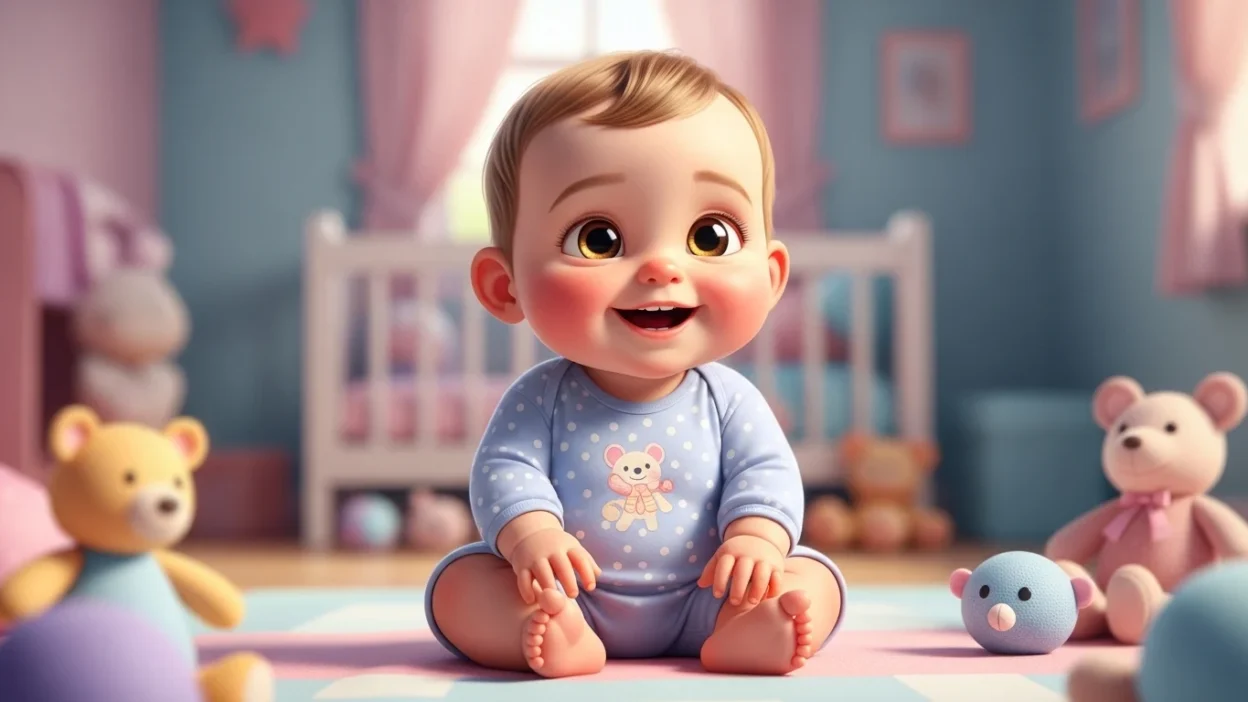
The word baby represents love, care, and new beginnings across cultures. People use it to describe infants, express affection, and refer to young children in everyday conversation.
Because this word appears in family life, literature, and daily communication, learning baby in different languages helps language learners understand how cultures express tenderness and care.
When you explore how to say baby in different languages, you will notice interesting linguistic patterns.
Some languages use short simple words, while others include longer terms that show affection or cultural meaning. In addition, many societies use special variations of the word baby when speaking lovingly to children.
Therefore, studying baby translations around the world helps learners connect language with family traditions and cultural expressions. As a result, expanding vocabulary with these words makes language learning more meaningful and memorable.
| Language | Native Phrase | Example Sentence |
|---|---|---|
| English | Baby | The baby is sleeping peacefully. |
| Spanish | Bebé | El bebé está durmiendo. |
| French | Bébé | Le bébé dort calmement. |
| German | Baby | Das Baby schläft ruhig. |
| Italian | Bambino | Il bambino dorme. |
| Portuguese | Bebê | O bebê está dormindo. |
| Dutch | Baby | De baby slaapt rustig. |
| Danish | Baby | Babyen sover roligt. |
| Swedish | Bebis | Bebisen sover lugnt. |
| Norwegian | Baby | Babyen sover rolig. |
| Finnish | Vauva | Vauva nukkuu rauhallisesti. |
| Icelandic | Barn | Barnið sefur rólega. |
| Russian | Малыш | Малыш спокойно спит. |
| Ukrainian | Немовля | Немовля спить спокійно. |
| Polish | Dziecko | Dziecko spokojnie śpi. |
| Czech | Miminko | Miminko spí klidně. |
| Slovak | Bábätko | Bábätko pokojne spí. |
| Hungarian | Baba | A baba alszik. |
| Romanian | Bebeluș | Bebelușul doarme liniștit. |
| Bulgarian | Бебе | Бебето спи спокойно. |
| Greek | Μωρό | Το μωρό κοιμάται. |
| Turkish | Bebek | Bebek uyuyor. |
| Arabic | طفل | الطفل نائم. |
| Hebrew | תינוק | התינוק ישן. |
| Persian | نوزاد | نوزاد خوابیده است. |
| Urdu | بچہ | بچہ سو رہا ہے۔ |
| Hindi | बच्चा | बच्चा सो रहा है। |
| Bengali | শিশু | শিশু ঘুমাচ্ছে। |
| Punjabi | ਬੱਚਾ | ਬੱਚਾ ਸੋ ਰਿਹਾ ਹੈ। |
| Gujarati | બાળક | બાળક ઊંઘી રહ્યો છે. |
| Marathi | बाळ | बाळ झोपले आहे. |
| Tamil | குழந்தை | குழந்தை தூங்குகிறது. |
| Telugu | బిడ్డ | బిడ్డ నిద్రపోతుంది. |
| Kannada | ಮಗು | ಮಗು ನಿದ್ರಿಸುತ್ತಿದೆ. |
| Malayalam | കുഞ്ഞ് | കുഞ്ഞ് ഉറങ്ങുന്നു. |
| Sinhala | ළදරු | ළදරු නිදා සිටී. |
| Thai | ทารก | ทารกกำลังนอน. |
| Vietnamese | Em bé | Em bé đang ngủ. |
| Indonesian | Bayi | Bayi sedang tidur. |
| Malay | Bayi | Bayi sedang tidur. |
| Filipino | Sanggol | Ang sanggol ay natutulog. |
| Chinese | 婴儿 | 婴儿在睡觉。 |
| Japanese | 赤ちゃん | 赤ちゃんは眠っています。 |
| Korean | 아기 | 아기가 자고 있어요. |
| Mongolian | Нярай | Нярай унтаж байна. |
| Khmer | ទារក | ទារកកំពុងដេក។ |
| Lao | ເດັກນ້ອຍ | ເດັກນ້ອຍນອນ. |
| Burmese | ကလေးငယ် | ကလေးငယ်အိပ်နေသည်။ |
| Nepali | शिशु | शिशु सुतिरहेको छ। |
| Tibetan | ཕྲུ་གུ | ཕྲུ་གུ་ཉལ་ཡོད། |
| Swahili | Mtoto | Mtoto amelala. |
| Zulu | Ingane | Ingane ilele. |
| Xhosa | Usana | Usana lulele. |
| Afrikaans | Baba | Die baba slaap. |
| Somali | Ilmo | Ilmuhu hurdaa. |
| Amharic | ሕፃን | ሕፃኑ እየተኛ ነው። |
| Yoruba | Ọmọ | Ọmọ n sun. |
| Igbo | Nwa | Nwa na-ehi ụra. |
| Hausa | Jariri | Jariri yana barci. |
| Malagasy | Zaza | Zaza matory. |
| Maori | Pēpi | Kei te moe te pēpi. |
| Samoan | Pepe | O le pepe o loo moe. |
| Tongan | Pēpē | Oku moe e pēpē. |
| Fijian | Gone | E moce na gone. |
| Hawaiian | Pēpē | Ke moe nei ka pēpē. |
| Latvian | Mazulis | Mazulis guļ. |
| Lithuanian | Kūdikis | Kūdikis miega. |
| Estonian | Beebi | Beebi magab. |
| Albanian | Foshnjë | Foshnja fle. |
| Croatian | Beba | Beba spava. |
| Serbian | Беба | Беба спава. |
| Bosnian | Beba | Beba spava. |
| Slovenian | Dojenček | Dojenček spi. |
| Macedonian | Бебе | Бебето спие. |
| Maltese | Tarbija | It-tarbija torqod. |
| Irish | Leanbh | Tá an leanbh ina chodladh. |
Why Learning “Baby” in Different Languages Helps
- It expands vocabulary related to family and everyday life.
- It helps travelers communicate in family settings.
- It introduces affectionate words used in many cultures.
- It improves memory through commonly used words.
- It builds a foundation for learning child-related vocabulary.
Cultural Insights About the Word Baby
- Many languages have special affectionate forms for babies.
- Families often use nicknames and soft pronunciations when speaking to infants.
- The word baby appears frequently in songs, stories, and traditions.
- Different cultures use baby-related terms as expressions of love.
Final Thought
Learning baby in different languages offers a meaningful way to explore how cultures express love and care for children.
Although each language uses a unique word, the emotion behind it remains universal.
Therefore, understanding these translations strengthens language learning while also highlighting the shared human experience of family and affection.
FAQs
How do you say baby in different languages?
Languages use words like bebé, bébé, bambino, vauva, and béar depending on the region.
Why do some languages have similar words for baby?
Many languages share historical roots or adopt affectionate sounds when referring to infants.
Is the word baby used differently across cultures?
Yes. Some cultures use it formally for infants, while others also use it affectionately.
Are there affectionate variations of the word baby?
Yes. Many languages create softer or shorter versions when speaking to children.
Why learn baby in different languages?
It helps learners understand family vocabulary and common everyday expressions worldwide.
Nick Orsan is a contributor at Lingonast.com, writing about modern language use and communication.
He covers topics related to language trends and everyday expressions.
His work is informative, direct, and reader focused.