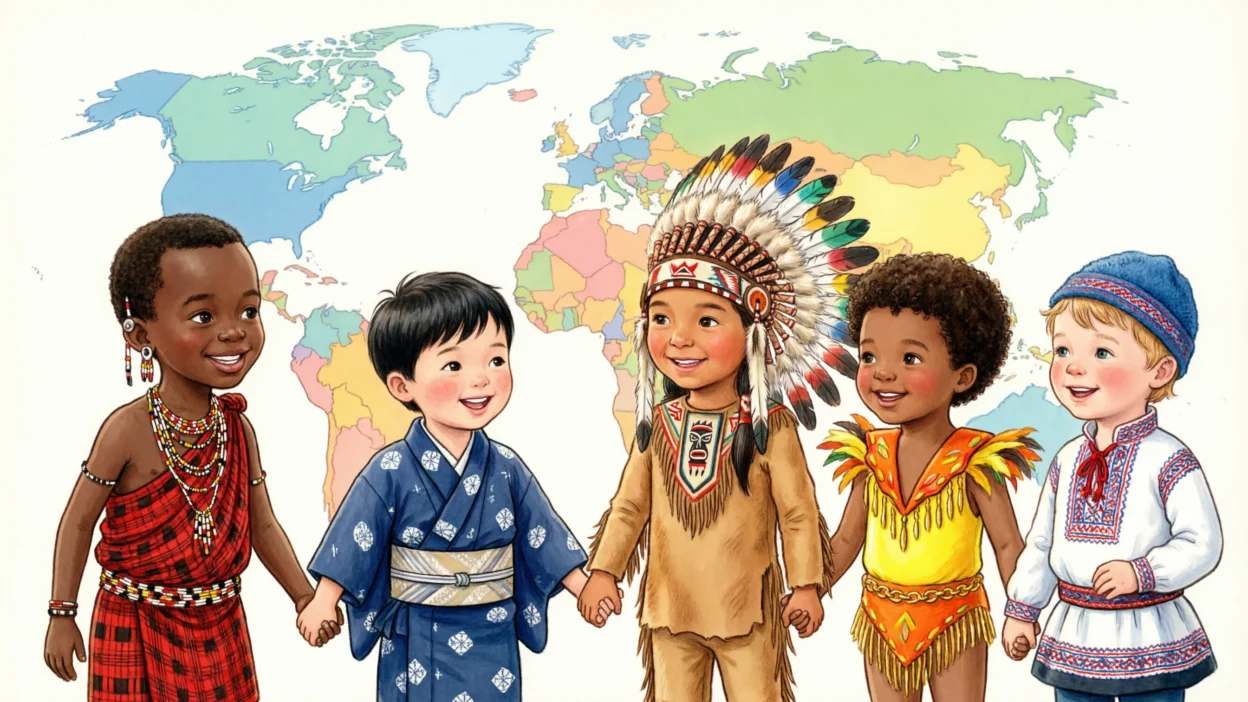
Because words connect cultures, learning how to say boy in different languages instantly expands understanding and communication across borders. Moreover, this topic helps students, travelers, parents, writers, and language lovers express basic human ideas clearly.
Additionally, when people search for boy in different languages, they usually want accurate translations, real usage, and easy examples. Therefore, this guide focuses on clarity, simplicity, and real-life value.
Furthermore, knowing how to say boy around the world improves vocabulary and cultural awareness at the same time. As a result, this article serves beginners and advanced learners equally. Most importantly, every example uses natural wording instead of robotic translations. Meanwhile, short sentences keep learning fast and memorable.
In addition, this guide supports how to say boy in all languages for global conversations. Consequently, readers gain confidence when speaking or writing.
Also, teachers and content creators can use this list instantly. Overall, this introduction prepares you for practical, everyday language learning that works worldwide without confusion.
| Language | Native Phrase | Example Sentence |
|---|---|---|
| English | Boy | The boy is playing outside. |
| Spanish | Niño | El niño está jugando afuera. |
| French | Garçon | Le garçon court vite. |
| German | Junge | Der Junge liest ein Buch. |
| Italian | Ragazzo | Il ragazzo sorride. |
| Portuguese | Menino | O menino está feliz. |
| Dutch | Jongen | De jongen slaapt. |
| Swedish | Pojke | Pojken springer. |
| Norwegian | Gutt | Gutten ler. |
| Danish | Dreng | Drengen leger. |
| Finnish | Poika | Poika syö ruokaa. |
| Russian | Мальчик | Мальчик читает. |
| Ukrainian | Хлопець | Хлопець грає. |
| Polish | Chłopiec | Chłopiec biega. |
| Czech | Chlapec | Chlapec zpívá. |
| Slovak | Chlapec | Chlapec sa hrá. |
| Hungarian | Fiú | A fiú tanul. |
| Romanian | Băiat | Băiatul aleargă. |
| Bulgarian | Момче | Момчето спи. |
| Greek | Αγόρι | Το αγόρι γελά. |
| Turkish | Erkek çocuk | Erkek çocuk koşuyor. |
| Arabic | ولد | الولد يلعب. |
| Hebrew | ילד | הילד שמח. |
| Persian | پسر | پسر میخندد. |
| Urdu | لڑکا | لڑکا کھیل رہا ہے۔ |
| Hindi | लड़का | लड़का पढ़ता है। |
| Bengali | ছেলে | ছেলে হাসছে। |
| Punjabi | ਮੁੰਡਾ | ਮੁੰਡਾ ਦੌੜਦਾ ਹੈ। |
| Tamil | பையன் | பையன் ஓடுகிறான். |
| Telugu | అబ్బాయి | అబ్బాయి చదువుతున్నాడు. |
| Kannada | ಹುಡುಗ | ಹುಡುಗ ನಗುತ್ತಾನೆ. |
| Malayalam | ബാലൻ | ബാലൻ കളിക്കുന്നു. |
| Marathi | मुलगा | मुलगा शिकतो. |
| Gujarati | છોકરો | છોકરો દોડે છે. |
| Sinhala | පිරිමි ළමයා | පිරිමි ළමයා සෙල්ලම් කරයි. |
| Thai | เด็กชาย | เด็กชายยิ้ม |
| Vietnamese | Cậu bé | Cậu bé chạy nhanh. |
| Indonesian | Anak laki-laki | Anak laki-laki bermain. |
| Malay | Budak lelaki | Budak lelaki belajar. |
| Filipino | Batang lalaki | Ang batang lalaki tumatawa. |
| Chinese | 男孩 | 男孩在跑步。 |
| Japanese | 男の子 | 男の子が笑う。 |
| Korean | 소년 | 소년이 걷는다. |
| Mongolian | Хүү | Хүү инээв. |
| Nepali | केटा | केटा खेल्छ। |
| Swahili | Mvulana | Mvulana anacheza. |
Cultural Meaning of the Word Boy
Across cultures, the word boy often represents youth, growth, and future potential. Therefore, its usage reflects social values and traditions.
How to Use “Boy” in Daily Conversations
Because simplicity matters, using the word boy correctly improves daily speech, storytelling, and education worldwide.
Why Learning Basic Words Matters
Although advanced vocabulary helps, basic words like boy build strong communication foundations everywhere.
FAQs
How do you say boy in different languages?
People say boy differently worldwide, such as niño, garçon, Junge, and ragazzo.
Why is learning boy translations useful?
Because it helps communication, education, and cultural understanding.
Is the word boy gender-neutral in all languages?
No, many languages use gender-specific forms.
Can boy mean child in some cultures?
Yes, some languages use it broadly for male children.
Is pronunciation important when saying boy?
Yes, correct pronunciation improves clarity and respect.
Final Thought
Learning how to say boy in different languages strengthens communication while building cultural awareness across regions. Moreover, simple words carry deep meaning because they connect people instantly.
Therefore, mastering basic vocabulary creates confidence in conversations, writing, and travel situations. Additionally, this knowledge helps educators, parents, and learners explain ideas clearly.
As a result, language learning becomes practical instead of overwhelming. Furthermore, using real examples improves memory retention.
Ultimately, words like boy represent growth, identity, and future generations. Consequently, understanding them globally opens doors to better interaction, respect, and learning everywhere.

Foster Hollis is a language and culture writer with a strong interest in how people communicate across borders. At Lingonast, he focuses on cultural insights and language based articles that help readers understand global traditions in a simple, engaging way.