
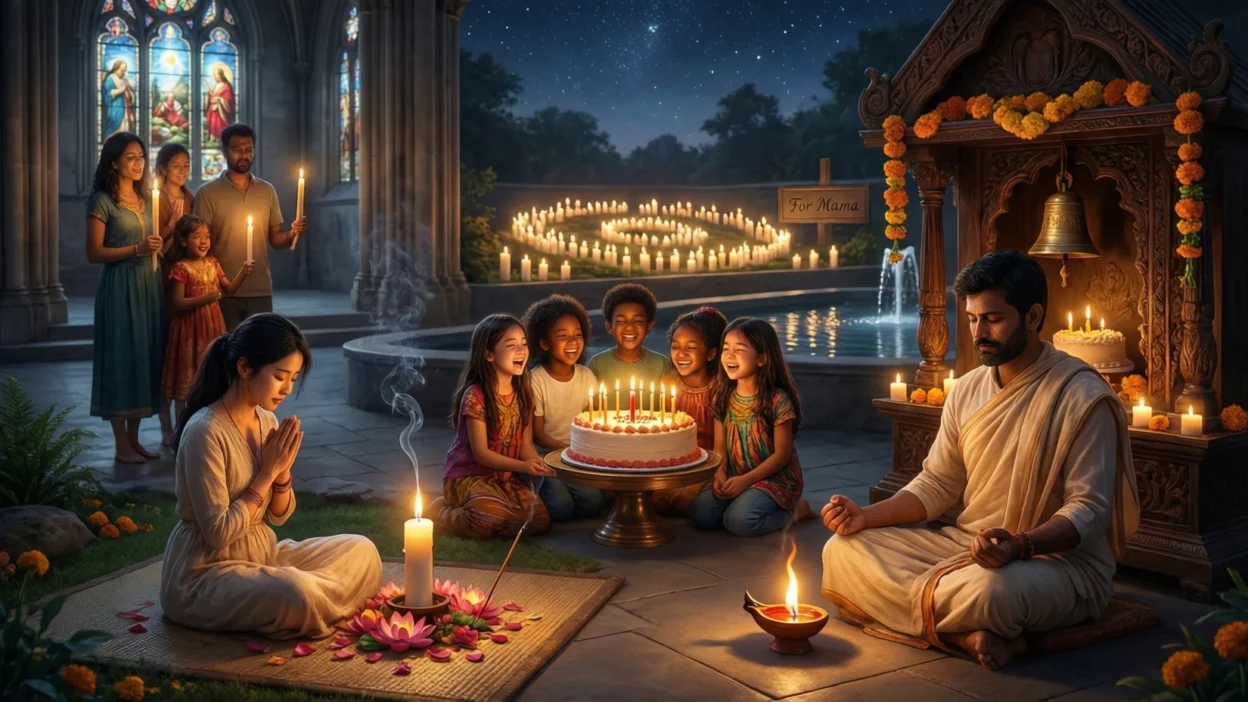
A candle is a small object, yet it carries deep meaning across cultures. People use candles for light, prayer, celebration, remembrance, relaxation, and decoration.
Therefore, learning how to say candle in different languages helps you understand cultural traditions and symbolic expressions worldwide.
Moreover, candles appear in religious ceremonies, birthdays, festivals, romantic moments, and daily home use.
As a result, this word holds emotional and cultural value. In addition, many languages have unique native terms for candle, while others adapt similar sounds.
Consequently, these translations reflect history, belief systems, and daily life. Furthermore, knowing candle in different languages benefits language learners, writers, travelers, and global audiences. Ultimately, candle remains a universal symbol of hope, light, and warmth.
| Language | Native Phrase | Example Sentence |
|---|---|---|
| English | Candle | The candle is burning softly. |
| Spanish | Vela | La vela está encendida. |
| French | Bougie | La bougie éclaire la pièce. |
| German | Kerze | Die Kerze brennt ruhig. |
| Italian | Candela | La candela è accesa. |
| Portuguese | Vela | A vela está acesa. |
| Dutch | Kaars | De kaars brandt. |
| Swedish | Ljus | Ljuset är tänt. |
| Norwegian | Stearinlys | Stearinlyset brenner. |
| Danish | Lys | Lyset er tændt. |
| Finnish | Kynttilä | Kynttilä palaa. |
| Icelandic | Kerti | Kertið logar. |
| Russian | Свеча | Свеча горит. |
| Ukrainian | Свічка | Свічка світить. |
| Polish | Świeca | Świeca się pali. |
| Czech | Svíčka | Svíčka hoří. |
| Slovak | Sviečka | Sviečka horí. |
| Hungarian | Gyertya | A gyertya ég. |
| Romanian | Lumânare | Lumânarea arde. |
| Greek | Κερί | Το κερί καίει. |
| Turkish | Mum | Mum yanıyor. |
| Arabic | شمعة | الشمعة مضيئة. |
| Hebrew | נר | הנר דולק. |
| Persian | شمع | شمع روشن است. |
| Urdu | موم بتی | موم بتی جل رہی ہے۔ |
| Hindi | मोमबत्ती | मोमबत्ती जल रही है। |
| Bengali | মোমবাতি | মোমবাতি জ্বলছে। |
| Punjabi | ਮੋਮਬੱਤੀ | ਮੋਮਬੱਤੀ ਜਲ ਰਹੀ ਹੈ। |
| Tamil | மெழுகுவர்த்தி | மெழுகுவர்த்தி எரிகிறது. |
| Telugu | కొవ్వొత్తి | కొవ్వొత్తి వెలుగుతోంది. |
| Kannada | ಮೆಣಬತ್ತಿ | ಮೆಣಬತ್ತಿ ಉರಿಯುತ್ತಿದೆ. |
| Malayalam | മെഴുകുതിരി | മെഴുകുതിരി കത്തുന്നു. |
| Marathi | मेणबत्ती | मेणबत्ती पेटली आहे. |
| Gujarati | મોમબત્તી | મોમબત્તી બળે છે. |
| Nepali | मैनबत्ती | मैनबत्ती बल्दैछ। |
| Sinhala | ඉටිපන්දම | ඉටිපන්දම දැල්වෙයි. |
| Chinese (Simplified) | 蜡烛 | 蜡烛在燃烧。 |
| Chinese (Traditional) | 蠟燭 | 蠟燭在燃燒。 |
| Japanese | ろうそく | ろうそくが灯る。 |
| Korean | 양초 | 양초가 켜져 있다. |
| Thai | เทียน | เทียนกำลังไหม้ |
| Vietnamese | Nến | Nến đang cháy. |
| Indonesian | Lilin | Lilin menyala. |
| Malay | Lilin | Lilin menyala. |
| Filipino | Kandila | Nakasindi ang kandila. |
| Swahili | Mshumaa | Mshumaa unawaka. |
| Afrikaans | Kers | Die kers brand. |
| Somali | Shamac | Shamacu wuu shidan yahay. |
| Hausa | Kyandir | Kyandir yana kunne. |
| Yoruba | Fitila | Fitila n tan. |
| Igbo | Kandụl | Kandụl na-enwu. |
| Zulu | Ikhandlela | Ikhandlela liyasha. |
| Amharic | ሻማ | ሻማው በርቷል። |
| Lao | ທຽນ | ທຽນກຳລັງໄໝ້ |
| Khmer | ទៀន | ទៀនកំពុងឆេះ។ |
| Mongolian | Лаа | Лаа асч байна. |
| Kazakh | Шам | Шам жанып тұр. |
| Uzbek | Sham | Sham yonmoqda. |
| Tajik | Шамъ | Шамъ месӯзад. |
| Pashto | شمع | شمع بل دی. |
| Kurdish | Mum | Mum dişewite. |
| Armenian | Մոմ | Մոմը վառվում է։ |
| Georgian | სანთელი | სანთელი ანთებულია. |
| Albanian | Qiri | Qiri po digjet. |
| Bosnian | Svijeća | Svijeća gori. |
| Croatian | Svijeća | Svijeća gori. |
| Serbian | Свећа | Свећа гори. |
| Bulgarian | Свещ | Свещта гори. |
| Slovenian | Sveča | Sveča gori. |
| Lithuanian | Žvakė | Žvakė dega. |
| Latvian | Svece | Svece deg. |
| Estonian | Küünal | Küünal põleb. |
| Irish | Coinneal | Tá an choinneal lasta. |
| Welsh | Cannwyll | Mae’r cannwyll yn llosgi. |
| Basque | Kandela | Kandela piztuta dago. |
| Catalan | Espelma | L’espelma crema. |
| Galician | Candea | A candea arde. |
| Maltese | Xemgħa | Ix-xemgħa mixgħula. |
| Esperanto | Kandelo | La kandelo brulas. |
| Latin | Candela | Candela ardet. |
Cultural Meaning of Candles Around the World
Candles often symbolize hope, remembrance, and guidance. Moreover, many cultures use candles in prayer and meditation.
Therefore, the word candle carries spiritual meaning. In addition, candles mark celebrations and memorials. As a result, their linguistic expressions hold emotional depth.
Candle in Everyday Life
Candles appear in homes, ceremonies, and relaxation rituals. Furthermore, people use them for ambiance and focus.
Consequently, learning candle in different languages improves daily communication. Ultimately, it supports cultural understanding and expression.
FAQs
What does candle symbolize in most cultures?
It often represents light, hope, and remembrance.
Is the word candle similar across languages?
Some languages share similar roots, while others differ.
Are candles used in religious practices worldwide?
Yes, many religions use candles symbolically.
Is candle vocabulary useful for travelers?
Yes, especially for cultural and ceremonial contexts.
Why learn candle in different languages?
It improves cultural awareness and language skills.
Final Thought
Candle is a simple word with powerful meaning. Therefore, learning candle in different languages helps connect language with culture.
Moreover, these translations reveal shared human values. Additionally, candle symbolizes warmth and hope everywhere.
As a result, language becomes a bridge between traditions. Furthermore, understanding these words enriches communication. Ultimately, candle reflects light that unites cultures worldwide.

Nick Orsan is a contributor at Lingonast.com, writing about modern language use and communication.
He covers topics related to language trends and everyday expressions.
His work is informative, direct, and reader focused.