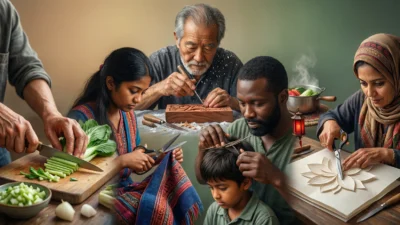

Change is a powerful word that appears in daily conversations, personal growth, business, education, technology, and society.
People use it to describe transformation, progress, adjustment, or improvement. Because of this, learning how to say change in different languages helps you communicate ideas clearly across cultures.
Moreover, the concept of change exists in every society, although languages express it in unique ways.
Therefore, knowing native words makes your speech and writing sound more natural. In addition, this knowledge supports language learners, travelers, writers, and global brands.
As a result, you avoid misunderstandings and express ideas with confidence. This guide focuses on real usage instead of literal translation.
Ultimately, it shows how one simple word connects the world through language.
| Language | Native Phrase | Example Sentence |
|---|---|---|
| English | Change | Change is necessary. |
| Spanish | Cambio | El cambio es bueno. |
| French | Changement | Le changement arrive. |
| German | Veränderung | Veränderung ist wichtig. |
| Italian | Cambiamento | Il cambiamento aiuta. |
| Portuguese | Mudança | A mudança começou. |
| Dutch | Verandering | Verandering gebeurt snel. |
| Swedish | Förändring | Förändring är naturlig. |
| Norwegian | Endring | Endring skjer nå. |
| Danish | Forandring | Forandring er sund. |
| Finnish | Muutos | Muutos on vaikea. |
| Icelandic | Breyting | Breyting er góð. |
| Russian | Изменение | Изменение необходимо. |
| Ukrainian | Зміна | Зміна на краще. |
| Polish | Zmiana | Zmiana jest trudna. |
| Czech | Změna | Změna pomáhá. |
| Slovak | Zmena | Zmena prichádza. |
| Hungarian | Változás | A változás fontos. |
| Romanian | Schimbare | Schimbarea ajută. |
| Greek | Αλλαγή | Η αλλαγή έρχεται. |
| Turkish | Değişim | Değişim önemlidir. |
| Arabic | تغيير | التغيير ضروري. |
| Hebrew | שינוי | שינוי הוא טוב. |
| Persian | تغییر | تغییر لازم است. |
| Urdu | تبدیلی | تبدیلی ضروری ہے۔ |
| Hindi | परिवर्तन | परिवर्तन जरूरी है। |
| Bengali | পরিবর্তন | পরিবর্তন দরকার। |
| Punjabi | ਬਦਲਾਅ | ਬਦਲਾਅ ਆ ਰਿਹਾ ਹੈ। |
| Tamil | மாற்றம் | மாற்றம் அவசியம். |
| Telugu | మార్పు | మార్పు అవసరం. |
| Kannada | ಬದಲಾವಣೆ | ಬದಲಾವಣೆ ಮುಖ್ಯ. |
| Malayalam | മാറ്റം | മാറ്റം വേണം. |
| Marathi | बदल | बदल आवश्यक आहे. |
| Gujarati | બદલાવ | બદલાવ જરૂરી છે. |
| Nepali | परिवर्तन | परिवर्तन चाहिन्छ। |
| Sinhala | වෙනස්කම | වෙනස්කම වැදගත්. |
| Chinese (Simplified) | 改变 | 改变是必要的。 |
| Chinese (Traditional) | 改變 | 改變正在發生。 |
| Japanese | 変化 | 変化が必要です。 |
| Korean | 변화 | 변화가 옵니다. |
| Thai | การเปลี่ยนแปลง | การเปลี่ยนแปลงเกิดขึ้น |
| Vietnamese | Thay đổi | Thay đổi là cần thiết. |
| Indonesian | Perubahan | Perubahan terjadi. |
| Malay | Perubahan | Perubahan penting. |
| Filipino | Pagbabago | May pagbabago ngayon. |
| Swahili | Mabadiliko | Mabadiliko yanafika. |
| Afrikaans | Verandering | Verandering help. |
| Somali | Isbeddel | Isbeddel baa yimid. |
| Hausa | Canji | Canji yana zuwa. |
| Yoruba | Iyipada | Iyipada wulo. |
| Igbo | Mgbanwe | Mgbanwe dị mkpa. |
| Zulu | Ushintsho | Ushintsho luyenzeka. |
| Amharic | ለውጥ | ለውጥ አስፈላጊ ነው። |
| Lao | ການປ່ຽນແປງ | ການປ່ຽນແປງເກີດຂຶ້ນ |
| Khmer | ការផ្លាស់ប្តូរ | ការផ្លាស់ប្តូរចាំបាច់ |
| Mongolian | Өөрчлөлт | Өөрчлөлт чухал. |
| Kazakh | Өзгеріс | Өзгеріс керек. |
| Uzbek | O‘zgarish | O‘zgarish muhim. |
| Tajik | Тағйир | Тағйир лозим аст. |
| Pashto | بدلون | بدلون ضروري دی. |
| Kurdish | Guhertin | Guhertin pêwîst e. |
| Armenian | Փոփոխություն | Փոփոխությունը պետք է։ |
| Georgian | ცვლილება | ცვლილება საჭიროა. |
| Albanian | Ndryshim | Ndryshimi ndihmon. |
| Bosnian | Promjena | Promjena dolazi. |
| Croatian | Promjena | Promjena je važna. |
| Serbian | Промена | Промена је потребна. |
| Bulgarian | Промяна | Промяната идва. |
| Slovenian | Sprememba | Sprememba pomaga. |
| Lithuanian | Pokytis | Pokytis svarbus. |
| Latvian | Pārmaiņas | Pārmaiņas notiek. |
| Estonian | Muutus | Muutus on vajalik. |
| Irish | Athrú | Tá athrú ag teacht. |
| Welsh | Newid | Mae newid yn dod. |
| Basque | Aldaketa | Aldaketa beharrezkoa da. |
| Catalan | Canvi | El canvi ajuda. |
| Galician | Cambio | O cambio chega. |
| Maltese | Bidla | Il-bidla hija meħtieġa. |
| Esperanto | Ŝanĝo | Ŝanĝo estas grava. |
| Latin | Mutatio | Mutatio necessaria est. |
Why the Word Change Matters Globally
First, change reflects growth and progress. Therefore, every culture values the concept.
Moreover, languages adapt the word based on social and historical context. As a result, meanings stay powerful yet flexible.
Using Change Correctly in Different Cultures
In many languages, change applies to life, systems, and habits. Meanwhile, some cultures connect it deeply with tradition.
Consequently, understanding usage helps avoid confusion and improves communication.
Final Thought
In conclusion, learning change in different languages highlights how deeply this idea shapes human life.
Moreover, the word appears in personal decisions and global movements. Therefore, knowing native terms strengthens communication.
Additionally, it supports cultural understanding. As a result, language learners gain confidence.
Furthermore, writers and travelers benefit greatly. Ultimately, one word reflects transformation across the world.
FAQs
Is change translated the same way in all languages?
No, each language expresses it differently.
Can change mean personal growth?
Yes, many cultures use it that way.
Is change always positive?
Not always, but it often implies improvement.
Do languages borrow this word?
Some modern languages do.
Why learn change in different languages?
It improves communication and cultural awareness.

Nicodemo Thorley is a cultural writer at Lingonast.com, focusing on language and heritage.
He explores how language connects with culture and history.
His articles offer structured and insightful perspectives.