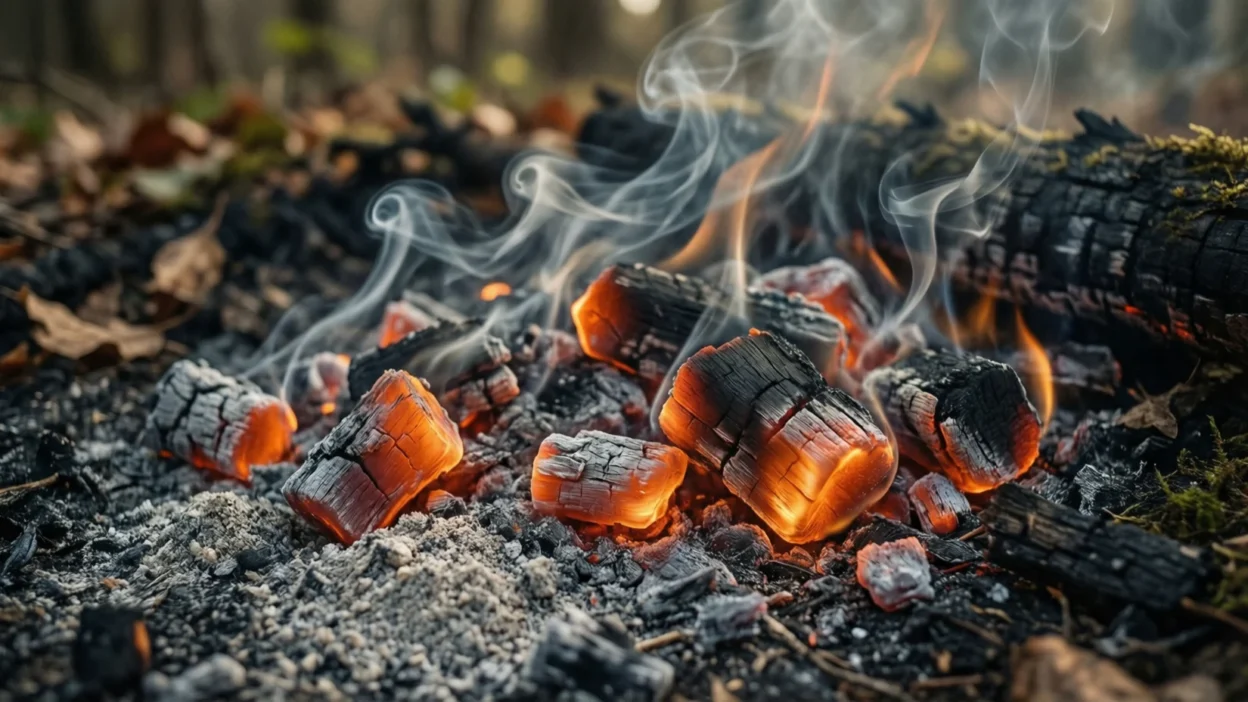
Cinder is a word often linked to fire, ash, heat, and transformation. It commonly appears in daily language, literature, construction, nature, and even symbolic writing.
Moreover, people use it to describe the remains of burned wood, coal, or volcanic material.
Therefore, learning cinder in different languages helps readers understand texts more clearly across cultures.
Additionally, writers, translators, and students frequently encounter this word in stories, poems, and technical descriptions.
As a result, knowing the correct native term improves accuracy. Furthermore, travelers and language learners gain stronger vocabulary when they recognize common environmental words.
Consequently, understanding how different cultures describe cinder builds deeper language awareness. Ultimately, even a small word like cinder carries global meaning and rich context.
| Language | Native Phrase | Example Sentence |
|---|---|---|
| English | Cinder | The fire left hot cinders. |
| Spanish | Ceniza | La ceniza aún estaba caliente. |
| French | Cendre | La cendre brûle encore. |
| German | Asche | Die Asche ist warm. |
| Italian | Cenere | La cenere è calda. |
| Portuguese | Cinza | A cinza permanece quente. |
| Dutch | Sintel | De sintel gloeit nog. |
| Swedish | Slagg | Slaggen är varm. |
| Norwegian | Slagg | Slaggen gløder. |
| Danish | Slagger | Slaggerne er varme. |
| Finnish | Kekäle | Kekäle on kuuma. |
| Russian | Шлак | Шлак ещё горячий. |
| Ukrainian | Шлак | Шлак теплий. |
| Polish | Żużel | Żużel był gorący. |
| Czech | Struska | Struska pálila. |
| Slovak | Troska | Troska bola horúca. |
| Hungarian | Salak | A salak forró. |
| Romanian | Cenușă | Cenușa este caldă. |
| Greek | Στάχτη | Η στάχτη καίει. |
| Turkish | Kül | Kül sıcaktı. |
| Arabic | جمر | الجمر ما زال ساخنًا. |
| Hebrew | גחל | הגחל חם. |
| Persian | خاکستر | خاکستر گرم است. |
| Urdu | راکھ | راکھ ابھی گرم ہے۔ |
| Hindi | राख | राख अभी गरम है। |
| Bengali | ছাই | ছাই গরম ছিল। |
| Punjabi | ਰਾਖ | ਰਾਖ ਗਰਮ ਸੀ। |
| Tamil | சாம்பல் | சாம்பல் சூடாக உள்ளது. |
| Telugu | బూడిద | బూడిద వేడిగా ఉంది. |
| Kannada | ಭಸ್ಮ | ಭಸ್ಮ ಬಿಸಿ. |
| Malayalam | ചാരം | ചാരം ചൂടാണ്. |
| Marathi | राख | राख गरम आहे. |
| Gujarati | રાખ | રાખ ગરમ છે. |
| Chinese (Simplified) | 炉渣 | 炉渣还热。 |
| Chinese (Traditional) | 爐渣 | 爐渣很熱。 |
| Japanese | 燃え殻 | 燃え殻が熱い。 |
| Korean | 재 | 재가 뜨겁다. |
| Thai | ขี้เถ้า | ขี้เถ้ายังร้อน |
| Vietnamese | Tro than | Tro còn nóng. |
| Indonesian | Bara abu | Bara abu panas. |
| Malay | Abu bara | Abu bara panas. |
| Filipino | Abo | Mainit ang abo. |
| Swahili | Majivu | Majivu ni moto. |
| Afrikaans | Sintel | Die sintel is warm. |
| Somali | Dambas | Dambasku kulul. |
| Hausa | Toka | Tokar tana da zafi. |
| Yoruba | Eeru | Eeru gbona. |
| Igbo | Uzuzu | Uzuzu dị ọkụ. |
| Zulu | Umlotha | Umlotha ushisa. |
| Amharic | አመድ | አመድ ሞቃት ነው። |
| Nepali | खरानी | खरानी तातो छ। |
| Sinhala | අළු | අළු උණුසුම්. |
| Lao | ຂີ້ເທົ່າ | ຂີ້ເທົ່າຮ້ອນ |
| Khmer | ផេះ | ផេះក្តៅ |
| Mongolian | Үнс | Үнс халуун. |
| Kazakh | Күл | Күл ыстық. |
| Uzbek | Kul | Kul issiq. |
| Tajik | Хокистар | Хокистар гарм аст. |
| Pashto | ايرې | ايرې ګرمې دي. |
| Kurdish | Kül | Kül germ e. |
| Armenian | Մոխիր | Մոխիրը տաք է։ |
| Georgian | ნაცარი | ნაცარი ცხელია. |
| Albanian | Hi | Hiri është i nxehtë. |
| Bosnian | Šljaka | Šljaka je vruća. |
| Croatian | Žar | Žar je topao. |
| Serbian | Жар | Жар је врућ. |
| Bulgarian | Шлака | Шлаката е топла. |
| Slovenian | Žlindra | Žlindra je vroča. |
| Lithuanian | Šlakas | Šlakas karštas. |
| Latvian | Sārņi | Sārņi karsti. |
| Estonian | Räbu | Räbu on kuum. |
| Icelandic | Glóð | Glóð er heit. |
| Irish | Luaithreach | Luaithreach te. |
| Welsh | Lludw | Lludw poeth. |
| Basque | Errautsa | Errautsa beroa. |
| Catalan | Cendra | La cendra és calenta. |
| Galician | Cinza | Cinza quente. |
| Esperanto | Cindro | Cindro varma. |
| Latin | Cinis | Cinis calidus est. |
Final Thought
In conclusion, learning cinder in different languages reveals how nature and fire shape vocabulary worldwide.
Moreover, this word appears in science, storytelling, and daily speech. Therefore, understanding native terms improves reading and writing accuracy. Additionally, language learners gain practical environmental vocabulary.
Consequently, communication becomes clearer across cultures. Furthermore, simple words often carry deep meaning.
As a result, vocabulary learning feels more connected to real life. Ultimately, even cinder reflects shared human experiences around the world.
FAQs
What does cinder usually describe?
It refers to the remains of burned material.
Is cinder the same as ash?
They are related, but cinder is usually larger and hotter.
Is cinder used metaphorically?
Yes, especially in literature and poetry.
Do all languages have a word for cinder?
Yes, though some use related ash terms.
Why learn cinder in different languages?
It improves comprehension in nature, science, and literature.

Nick Orsan is a contributor at Lingonast.com, writing about modern language use and communication.
He covers topics related to language trends and everyday expressions.
His work is informative, direct, and reader focused.