
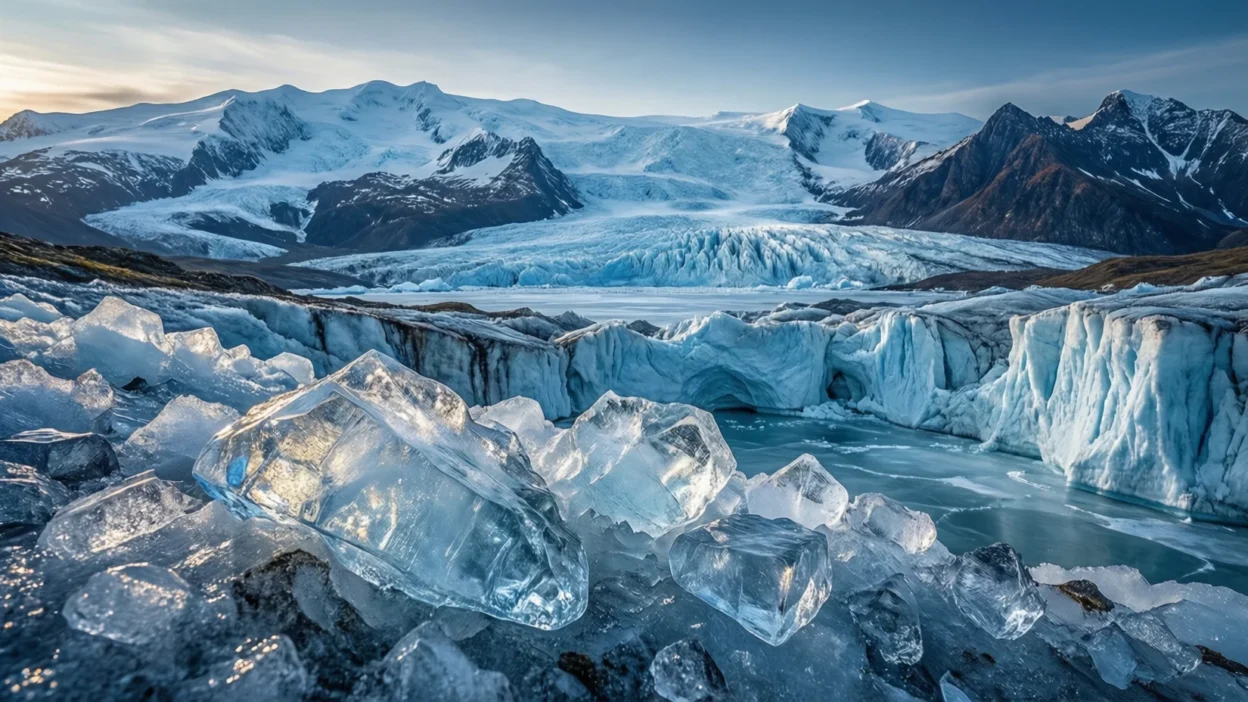
The word ice is simple, yet it is used across science, weather, food, travel, and daily conversation, because it refers to frozen water and cold conditions.
Therefore, learning how to say ice in different languages helps you communicate clearly in practical situations such as ordering drinks, talking about climate, or describing weather.
Moreover, when you explore ice in all languages, you notice how cultures describe cold, freezing, and natural elements in their own linguistic way.
As a result, this guide to ice translations and ice around the world is useful for travelers, students, and language learners, since it presents native terms with real example sentences in a clear and readable format.
| Language | Native Phrase | Native Example Sentence |
|---|---|---|
| English | Ice | The ice is melting. |
| Spanish | Hielo | El hielo se está derritiendo. |
| French | Glace | La glace fond vite. |
| German | Eis | Das Eis schmilzt. |
| Italian | Ghiaccio | Il ghiaccio si scioglie. |
| Portuguese | Gelo | O gelo está derretendo. |
| Dutch | IJs | Het ijs smelt. |
| Swedish | Is | Isen smälter. |
| Norwegian | Is | Isen smelter. |
| Danish | Is | Isen smelter. |
| Finnish | Jää | Jää sulaa. |
| Russian | Лёд | Лёд тает. |
| Ukrainian | Лід | Лід тане. |
| Polish | Lód | Lód się topi. |
| Czech | Led | Led taje. |
| Slovak | Ľad | Ľad sa topí. |
| Hungarian | Jég | A jég olvad. |
| Romanian | Gheață | Gheața se topește. |
| Bulgarian | Лед | Ледът се топи. |
| Greek | Πάγος | Ο πάγος λιώνει. |
| Turkish | Buz | Buz eriyor. |
| Arabic | ثلج | الثلج يذوب. |
| Hebrew | קרח | הקרח נמס. |
| Persian | یخ | یخ در حال ذوب شدن است. |
| Hindi | बर्फ | बर्फ पिघल रही है। |
| Urdu | برف | برف پگھل رہی ہے۔ |
| Bengali | বরফ | বরফ গলছে। |
| Punjabi | ਬਰਫ਼ | ਬਰਫ਼ ਪਿਘਲ ਰਹੀ ਹੈ। |
| Tamil | பனி | பனி உருகுகிறது. |
| Telugu | మంచు | మంచు కరుగుతోంది. |
| Marathi | बर्फ | बर्फ वितळत आहे. |
| Gujarati | બરફ | બરફ ઓગળી રહ્યો છે. |
| Kannada | ಹಿಮ | ಹಿಮ ಕರಗುತ್ತಿದೆ. |
| Malayalam | മഞ്ഞ് | മഞ്ഞ് ഉരുകുന്നു. |
| Sinhala | හිම | හිම දියවෙයි. |
| Thai | น้ำแข็ง | น้ำแข็งกำลังละลาย |
| Vietnamese | Đá | Đá đang tan. |
| Indonesian | Es | Es mencair. |
| Malay | Ais | Ais sedang cair. |
| Filipino | Yelo | Natutunaw ang yelo. |
| Chinese (Mandarin) | 冰 | 冰正在融化。 |
| Japanese | 氷 | 氷が溶けている。 |
| Korean | 얼음 | 얼음이 녹고 있다. |
| Mongolian | Мөс | Мөс хайлж байна. |
| Nepali | बरफ | बरफ पग्लिँदै छ। |
| Swahili | Barafu | Barafu inayeyuka. |
| Zulu | Iqhwa | Iqhwa liyancibilika. |
| Afrikaans | Ys | Die ys smelt. |
| Hausa | Kankara | Kankara na narkewa. |
| Yoruba | Yinyin | Yinyin n yo. |
| Igbo | Ice | Ice na-agbaze. |
| Amharic | በረዶ | በረዶ እየቀለጠ ነው። |
| Somali | Baraf | Barafku wuu dhalaalayaa. |
| Icelandic | Ís | Ísinn bráðnar. |
| Irish | Oighear | Tá an t-oighear ag leá. |
| Welsh | Iâ | Mae’r iâ yn toddi. |
| Basque | Izotz | Izotza urtzen ari da. |
| Catalan | Gel | El gel es fon. |
| Galician | Xeo | O xeo está a derreterse. |
| Esperanto | Glacio | La glacio fandiĝas. |
| Latvian | Ledus | Ledus kūst. |
| Lithuanian | Ledas | Ledas tirpsta. |
| Estonian | Jää | Jää sulab. |
| Slovenian | Led | Led se tali. |
| Croatian | Led | Led se topi. |
| Serbian | Лед | Лед се топи. |
| Albanian | Akull | Akulli po shkrihet. |
| Armenian | Սառույց | Սառույցը հալվում է։ |
| Georgian | ყინული | ყინული დნება. |
| Kazakh | Мұз | Мұз еріп жатыр. |
| Uzbek | Muz | Muz eriyapti. |
| Pashto | یخ | یخ ویلې کېږي. |
| Kurdish | Buz | Buz dihelike. |
| Maori | Huka | Kei te rewa te huka. |
| Hawaiian | Hau | Ke hoʻoheheʻe nei ka hau. |
What Does Ice Mean Around the World?
Across languages, ice generally refers to frozen water, while also symbolizing cold weather, preservation, and sometimes emotional distance.
How Ice Is Used in Daily Language
Ice is used when talking about drinks, weather, roads, nature, and safety, making it a very common everyday word.
Why Learning Ice in Different Languages Is Useful
Knowing ice translations helps with travel, weather discussions, food orders, and understanding global climate-related conversations.
FAQs
What does ice mean in different languages?
It refers to frozen water.
Is ice used metaphorically?
Yes, it can describe cold behavior or silence.
Is ice a common word worldwide?
Yes, it is used in daily life everywhere.
Do all languages have a word for ice?
Yes, though expressions may differ.
Why learn basic nature words like ice?
They improve practical communication.
FINAL THOUGHT
Learning how to say ice in different languages strengthens your everyday vocabulary and helps you communicate clearly in travel, weather, and food related situations.
By understanding native terms and example sentences, you connect more easily with people and environments across the world.

Nicodemo Thorley is a cultural writer at Lingonast.com, focusing on language and heritage.
He explores how language connects with culture and history.
His articles offer structured and insightful perspectives.