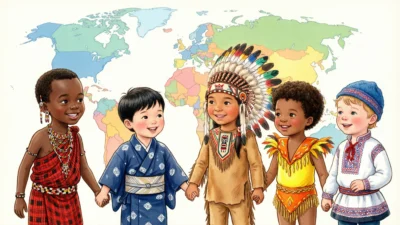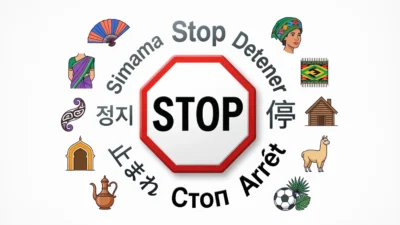
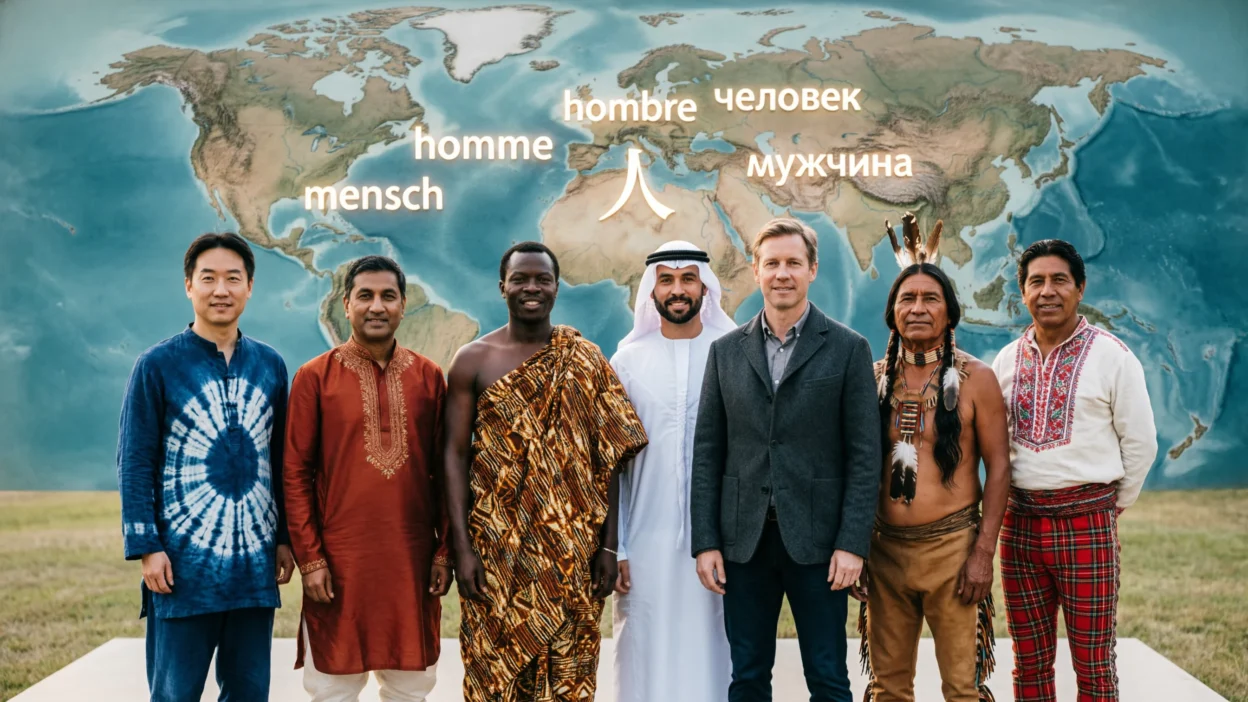
Language connects people; therefore, learning basic human-related words builds instant understanding across cultures. Moreover, the word man appears in daily conversations, stories, education, travel, and social discussions; thus, knowing how to say man in different languages improves clarity and confidence.
Additionally, this word helps learners describe people, roles, and relationships naturally. Because languages reflect culture, each translation of “man” carries local meaning and pronunciation style; consequently, learning them increases cultural awareness.
Furthermore, travelers use this word when asking for help, giving directions, or describing someone. Likewise, students and writers benefit because simple vocabulary strengthens sentence building and comprehension. As a result, this guide presents man in different languages using clear examples that show real usage.
Meanwhile, the table format improves readability and supports featured snippets. Ultimately, mastering such common words accelerates fluency, supports multilingual communication, and builds stronger global connections through language learning and everyday interaction.
| Language | Native Phrase | Example Sentence |
|---|---|---|
| English | Man | The man is kind |
| Spanish | Hombre | El hombre es amable |
| French | Homme | L’homme est gentil |
| German | Mann | Der Mann ist nett |
| Italian | Uomo | L’uomo è gentile |
| Portuguese | Homem | O homem é bom |
| Dutch | Man | De man is vriendelijk |
| Russian | Мужчина | Мужчина добрый |
| Arabic | رجل | الرجل طيب |
| Turkish | Adam | Adam iyi |
| Hindi | आदमी | आदमी अच्छा है |
| Urdu | آدمی | آدمی اچھا ہے |
| Bengali | মানুষ | মানুষ ভালো |
| Punjabi | ਆਦਮੀ | ਆਦਮੀ ਚੰਗਾ ਹੈ |
| Marathi | माणूस | माणूस चांगला आहे |
| Tamil | மனிதன் | மனிதன் நல்லவன் |
| Telugu | మనిషి | మనిషి మంచివాడు |
| Kannada | ಮನುಷ್ಯ | ಮನುಷ್ಯ ಒಳ್ಳೆಯವನು |
| Malayalam | മനുഷ്യൻ | മനുഷ്യൻ നല്ലവൻ |
| Gujarati | માણસ | માણસ સારો છે |
| Nepali | मानिस | मानिस राम्रो छ |
| Sinhala | මිනිසා | මිනිසා හොඳයි |
| Thai | ผู้ชาย | ผู้ชายใจดี |
| Vietnamese | Người đàn ông | Người đàn ông tốt |
| Indonesian | Pria | Pria itu baik |
| Malay | Lelaki | Lelaki itu baik |
| Filipino | Lalaki | Mabait ang lalaki |
| Chinese | 男人 | 男人很好 |
| Japanese | 男 | 男は親切です |
| Korean | 남자 | 남자는 친절해요 |
| Greek | Άντρας | Ο άντρας είναι καλός |
| Polish | Mężczyzna | Mężczyzna jest miły |
| Czech | Muž | Muž je hodný |
| Slovak | Muž | Muž je dobrý |
| Hungarian | Férfi | A férfi kedves |
| Romanian | Bărbat | Bărbatul e bun |
| Swedish | Man | Mannen är snäll |
| Norwegian | Mann | Mannen er snill |
| Danish | Mand | Manden er venlig |
| Finnish | Mies | Mies on kiltti |
| Irish | Fear | Tá an fear cineálta |
| Welsh | Dyn | Mae’r dyn yn garedig |
| Afrikaans | Man | Die man is vriendelik |
| Swahili | Mwanaume | Mwanaume ni mzuri |
| Zulu | Indoda | Indoda imnene |
| Xhosa | Indoda | Indoda ilungile |
| Amharic | ሰው | ሰው ደግ ነው |
| Hebrew | גבר | הגבר נחמד |
| Persian | مرد | مرد مهربان است |
| Armenian | Տղամարդ | Տղամարդը բարի է |
| Georgian | კაცი | კაცი კეთილია |
| Mongolian | Эр хүн | Эр хүн сайн |
| Lao | ຜູ້ຊາຍ | ຜູ້ຊາຍໃຈດີ |
| Khmer | បុរស | បុរសល្អ |
| Hausa | Namiji | Namiji nagari |
| Yoruba | Ọkunrin | Ọkunrin rere |
| Igbo | Nwoke | Nwoke oma |
| Somali | Nin | Ninku waa fiican |
| Maori | Tangata | He tangata pai |
| Samoan | Tamāloa | O le tamāloa e lelei |
| Hawaiian | Kāne | He kāne maikaʻi |
| Latin | Vir | Vir bonus est |
| Esperanto | Viro | La viro estas bona |
| Ukrainian | Чоловік | Чоловік добрий |
| Belarusian | Мужчына | Мужчына добры |
| Kazakh | Ер адам | Ер адам жақсы |
| Uzbek | Erkak | Erkak yaxshi |
| Azerbaijani | Kişi | Kişi yaxşıdır |
| Tajik | Мард | Мард хуб аст |
| Kyrgyz | Эркек | Эркек жакшы |
| Uyghur | ئەر | ئەر ياخشى |
| Burmese | ယောက်ျား | ယောက်ျားကောင်း |
| Tibetan | སྐྱེས་པ | སྐྱེས་པ་བཟང་ |
| Icelandic | Maður | Maðurinn er góður |
| Maltese | Raġel | Ir-raġel tajjeb |
| Luxembourgish | Mann | De Mann ass gutt |
| Frisian | Man | De man is goed |
| Basque | Gizon | Gizona ona da |
| Catalan | Home | L’home és bo |
| Galician | Home | O home é bo |
| Corsican | Omu | L’omu hè bravu |
| Sardinian | Omini | S’omini est bonu |
| Romansh | Um | Il um è bun |
| Albanian | Burrë | Burri është i mirë |
| Serbian | Muškarac | Muškarac je dobar |
| Croatian | Muškarac | Muškarac je dobar |
| Bosnian | Muškarac | Muškarac je dobar |
| Slovenian | Moški | Moški je dober |
| Bulgarian | Мъж | Мъжът е добър |
| Macedonian | Маж | Мажот е добар |
| Estonian | Mees | Mees on hea |
| Latvian | Vīrietis | Vīrietis ir labs |
| Lithuanian | Vyras | Vyras geras |
| Faroese | Maður | Maðurin er góður |
| Manx | Dooinney | Ta’n dooinney mie |
| Cornish | Den | An den yw da |
| Breton | Den | An den zo mat |
| Wolof | Góor | Góor gi baax na |
| Bambara | Cɛ | Cɛ bɛ nyɛ |
| Lingala | Mobali | Mobali malamu |
| Kikuyu | Mũndũ | Mũndũ mwega |
| Shona | Murume | Murume akanaka |
| Tswana | Monna | Monna o siameng |
| Sotho | Monna | Monna o motle |
| Tonga | Tangata | Tangata lelei |
| Fijian | Tamata | Tamata vinaka |
| Tok Pisin | Man | Man i gutpela |
| Tetum | Mane | Mane diak |
| Kinyarwanda | Umugabo | Umugabo mwiza |
| Kirundi | Umugabo | Umugabo mwiza |
| Luganda | Omusajja | Omusajja mulungi |
| Oromo | Nama | Nama gaariidha |
| Chechen | Саг | Саг дика |
| Ossetian | Лæг | Лæг фæнд |
| Abkhaz | Ахаҵа | Ахаҵа бзиа |
Why Learning “Man” in Different Languages Helps
Moreover, this word supports basic descriptions, storytelling, and respectful communication across cultures worldwide.
When to Use This Vocabulary
Therefore, use it while traveling, studying languages, teaching beginners, or writing multilingual content.
How This Improves Language Skills
Consequently, learning common nouns builds confidence, speeds fluency, and improves sentence formation naturally.
FAQs
Is this word safe to use in daily conversation
Yes, it works in neutral and common contexts worldwide.
Does pronunciation matter a lot
Clarity helps, yet context usually ensures understanding.
Do some languages have multiple words
Yes, however the listed form is the most common.
Can beginners learn this easily
Yes, because it is basic vocabulary.
Is it culturally respectful
Yes, when used appropriately and politely.
Final Thought
Learning how to say man in different languages strengthens communication, builds cultural understanding, and improves everyday language use. Moreover, this simple word helps describe people clearly while speaking, writing, or traveling.
Additionally, using correct local terms shows respect and awareness. Therefore, consistent practice with such essential vocabulary accelerates fluency and confidence.
Furthermore, mastering common nouns supports sentence building and conversation flow.
As a result, learners communicate more naturally across borders. Ultimately, language learning becomes easier, more practical, and more meaningful when you start with universal words like man.

Nick Orsan is a contributor at Lingonast.com, writing about modern language use and communication.
He covers topics related to language trends and everyday expressions.
His work is informative, direct, and reader focused.