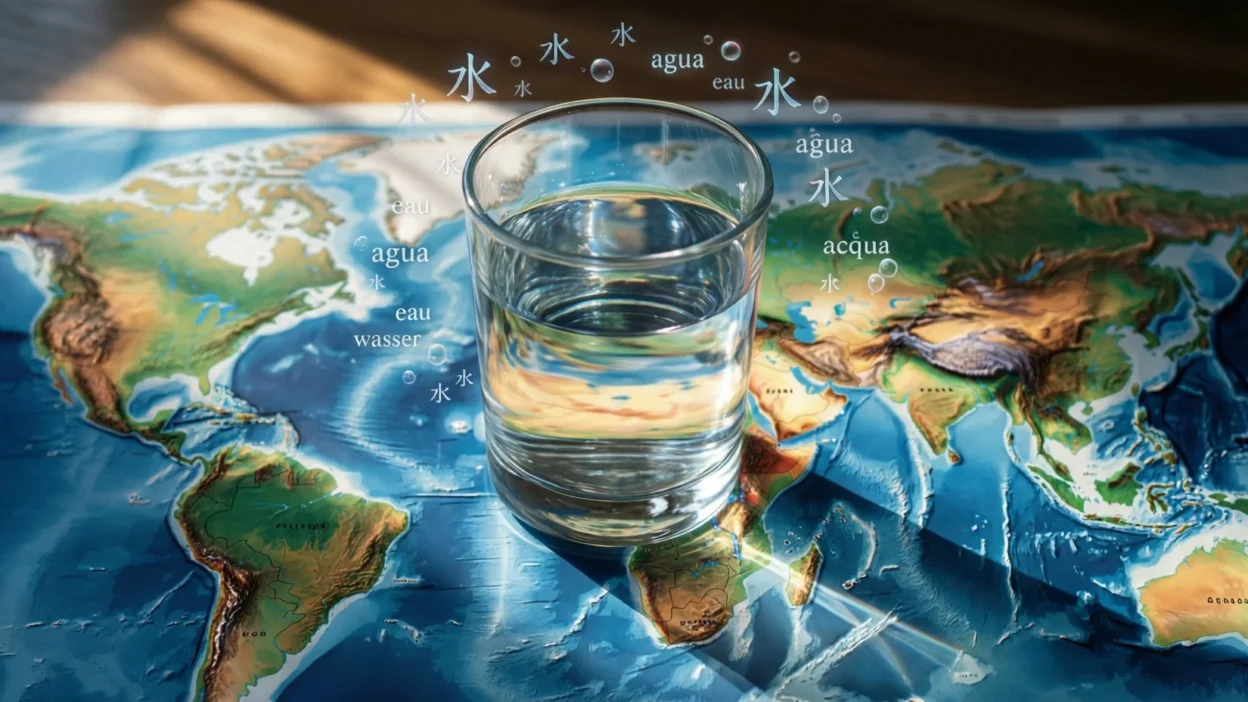
Water is one of the most essential elements of life and a universal concept found in every culture. People often search for water in different languages to learn basic vocabulary for travel, education, or cultural understanding. Knowing how to say water in multiple languages is useful in daily conversations, restaurants, outdoor adventures, science contexts, or international communication.
Different languages have unique ways of referring to water, often reflecting local pronunciation, script, and cultural nuances. Learning these terms also helps language learners build foundational vocabulary and communicate needs clearly in real-life situations.
This guide provides accurate translations of water in various languages along with short example sentences, showing how native speakers use the word in everyday contexts. Whether you are learning a new language, traveling internationally, creating multilingual content, or teaching, these translations make it easier to understand and connect with people.
By learning even a few words in different languages, you can navigate conversations more smoothly, show cultural awareness, and develop a deeper appreciation for linguistic diversity.
Small, essential words like water are often among the first vocabulary learned, and they play a vital role in daily communication and practical needs.
| Language | Native Phrase | Example Sentence |
|---|---|---|
| English | Water | I need some water |
| Spanish | Agua | Necesito agua |
| French | Eau | Je veux de l’eau |
| German | Wasser | Ich brauche Wasser |
| Italian | Acqua | Voglio acqua |
| Portuguese | Água | Preciso de água |
| Dutch | Water | Ik heb water nodig |
| Russian | Вода | Мне нужна вода |
| Arabic | ماء | أحتاج ماء |
| Turkish | Su | Su lazım |
| Hindi | पानी | मुझे पानी चाहिए |
| Urdu | پانی | مجھے پانی چاہیے |
| Bengali | পানি | আমার পানি দরকার |
| Punjabi | ਪਾਣੀ | ਮੈਨੂੰ ਪਾਣੀ ਚਾਹੀਦਾ ਹੈ |
| Marathi | पाणी | मला पाणी हवे आहे |
| Tamil | தண்ணீர் | எனக்கு தண்ணீர் வேண்டும் |
| Telugu | నీరు | నాకు నీరు కావాలి |
| Kannada | ನೀರು | ನನಗೆ ನೀರು ಬೇಕು |
| Malayalam | വെള്ളം | എനിക്ക് വെള്ളം വേണം |
| Gujarati | પાણી | મને પાણી જોઈએ |
| Nepali | पानी | मलाई पानी चाहिन्छ |
| Sinhala | වතුර | මට වතුර ඕනෑ |
| Thai | น้ำ | ฉันต้องการน้ำ |
| Vietnamese | Nước | Tôi cần nước |
| Indonesian | Air | Saya butuh air |
| Malay | Air | Saya perlukan air |
| Filipino | Tubig | Kailangan ko ng tubig |
| Chinese | 水 | 我需要水 |
| Japanese | 水 | 水が欲しい |
| Korean | 물 | 물 필요해 |
| Greek | Νερό | Χρειάζομαι νερό |
| Polish | Woda | Potrzebuję wody |
| Czech | Voda | Potřebuji vodu |
| Slovak | Voda | Potrebujem vodu |
| Hungarian | Víz | Szükségem van vízre |
| Romanian | Apă | Am nevoie de apă |
| Swedish | Vatten | Jag behöver vatten |
| Norwegian | Vann | Jeg trenger vann |
| Danish | Vand | Jeg har brug for vand |
| Finnish | Vesi | Tarvitsen vettä |
| Irish | Uisce | Teastaíonn uisce uaim |
| Welsh | Dŵr | Mae angen dŵr arna i |
| Afrikaans | Water | Ek het water nodig |
| Swahili | Maji | Nahitaji maji |
| Zulu | Amanzi | Ngidinga amanzi |
| Xhosa | Amanzi | Ndifuna amanzi |
| Amharic | ውሃ | ውሃ እፈልጋለሁ |
| Hebrew | מים | אני צריך מים |
| Persian | آب | من به آب نیاز دارم |
| Armenian | Ջուր | Ինձ ջուր է պետք |
| Georgian | წყალი | მჭირდება წყალი |
| Mongolian | Ус | Нам ус хэрэгтэй |
| Lao | ນ້ຳ | ຂ້ອຍຕ້ອງການນ້ຳ |
| Khmer | ទឹក | ខ្ញុំត្រូវការទឹក |
| Hausa | Ruwa | Ina bukatan ruwa |
| Yoruba | Omi | Mo nilo omi |
| Igbo | Mmiri | Achọrọ m mmiri |
| Somali | Biyo | Waxaan u baahanahay biyo |
| Maori | Wai | Kei te hiahia au i te wai |
| Samoan | Vai | Ou te mana’o i le vai |
| Hawaiian | Wai | Makemake au i ka wai |
| Latin | Aqua | Aqua mihi necessaria est |
| Esperanto | Akvo | Mi bezonas akvon |
| Ukrainian | Вода | Мені потрібна вода |
| Belarusian | Вада | Мне патрэбна вада |
| Kazakh | Су | Маған су керек |
| Uzbek | Suv | Menga suv kerak |
| Azerbaijani | Su | Mənə su lazımdır |
| Tajik | Об | Ман об мехоҳам |
| Tatar | Су | Миңа су кирәк |
| Bashkir | Һыу | Миңә һыу кәрәк |
| Kyrgyz | Суу | Мага суу керек |
| Uyghur | سۇ | ماڭا سۇ كېرەك |
| Tibetan | ཆུ | ང་ཆུ་དགོངས་ཀྱི་ཡོད |
| Dzongkha | ཆུ | ང་ཆུ་དགོངས་ཀྱི་ཡོད |
| Burmese | ရေ | ငါရေလိုချင်တယ် |
| Hmong | Dej | Kuv xav tau dej |
| Javanese | Banyu | Aku butuh banyu |
| Sundanese | Cai | Abdi peryogi cai |
| Madurese | Bhe | Engkok perlu bhe |
| Balinese | Tirta | Tiang butuh tirta |
| Minangkabau | Aie | Ambo perlu aie |
| Acehnese | Ie | Geu peu butuh ie |
| Aymara | Uma | Nayax uma munta |
| Quechua | Yaku | Ñuqa yaku munani |
| Guarani | Y | Che aipota y |
| Nahuatl | Atl | Nicchihua atl |
| Navajo | Tó | Tó shił bidziil |
| Cherokee | ᎠᎹ | ᎠᎹ ᎢᎦ ᎤᎵᎮᎵ |
| Inuktitut | ᐊᐃᓐᖏᑐᑦ | ᐊᐃᓐᖏᑐᑦ ᐊᓂᔭ |
| Greenlandic | Imiq | Imiq pisariaqartunga |
| Breton | Dour | Me ezhomm dour |
| Corsican | Acqua | Mi serve acqua |
| Sardinian | Abba | Mi tocat abba |
| Maltese | Ilma | Għandi bżonn ilma |
| Luxembourgish | Waasser | Ech brauch Waasser |
| Frisian | Wetter | Ik ha wetter nedich |
| Limburgish | Water | Ich haet water nodig |
| Occitan | Aiga | Ai besonh d’aiga |
| Aragonese | Auga | Necesito auga |
| Asturian | Agua | Necesito agua |
| Romansh | Ava | Jeu basegn d’ava |
| Faroese | Vatn | Eg havi tørv á vatni |
| Manx | Ushtey | Ta mee gyn ushtey |
| Cornish | Dowr | My a vynn dowr |
| Ladin | Aga | I n’cö bessögn d’aga |
| Silesian | Woda | Potrzebuję wody |
| Kashubian | Wòda | Trzimé wòdë |
| Sorbian | Woda | Potrzebuju wodu |
| Wolof | Ndox | Damay soxal ndox |
| Fula | Ndiyam | Mi foti ndiyam |
| Bambara | Ji | Ne be se ji |
| Lingala | Mai | Nalingi mai |
| Kikuyu | Mairu | Nĩngĩgũcokia mairu |
| Shona | Mvura | Ndinoda mvura |
| Tswana | Metsi | Ke batla metsi |
| Sotho | Metsi | Ke hloka metsi |
| Tonga | Vai | Oku ou fie ma’u vai |
| Fijian | Wai | Au gadreva wai |
| Tongan | Vai | Oku ou fie ma’u vai |
| Niuean | Vai | Oku ou fia ma’u vai |
| Tahitian | Vai | Ua hinaaro vau i te vai |
| Tok Pisin | Wata | Mi nidim wata |
| Chamorro | Guåhu | Guahu un guåhu |
| Palauan | Beluu | Ak milai beluu |
| Marshallese | Jim | Ij jeļọk jim |
| Kiribati | Nei | Iei na nei |
| Nauruan | Nauri | Eiyou ia nauri |
| Tuvaluan | Vai | Oku ou fie ma’u vai |
| Rotuman | Vai | Oku ou fakamahoi vai |
| Tetum | Fuan | Hau presiza fuan |
| Acoli | Lube | An alut lube |
| Luba-Katanga | Mayi | Ne be se mayi |
| Kinyarwanda | Amazi | Nkeneye amazi |
| Kirundi | Amazi | Ndakeneye amazi |
| Luganda | Amayini | Nnina amayini |
| Tigrinya | ማይ | ማይ እፈልጋለሁ |
| Oromo | Bishaan | Bishaan natti barbaachisa |
| Afar | Biyo | Biyo natti barbaachisa |
| Beja | Biya | Biya moƴƴi |
| Chechen | Лоам | Со лоам надо |
| Ingush | Лоам | Со лоам |
| Ossetian | Рæв | Мæн æвзæн рæв |
| Abkhaz | Аӡыхь | Сарҵәык аџьыхь |
| Avar | Чӏа | Бу чӏа лъик |
| Lezgian | Чӏа | Бу чӏа хъсан |
| Lak | Чӏа | Чӏа хьун |
| Dargwa | Чӏа | Чӏа гьай |
| Udmurt | Вода | Та вода бур |
| Komi | Вода | Сӧ вода бур |
| Mari | Вод | Тиде вод поро |
| Mordvin | Вода | Тя вода паро |
| Chuvash | Сăр | Ку сăр лай |
| Kalmyk | Ус | Энэ ус сайн |
Why Learning Water in Different Languages Is Useful
Knowing how to say water helps with basic needs, travel, teaching, and everyday conversations worldwide.
When to Use Water Vocabulary
These translations are useful in restaurants, outdoor activities, schools, and any situation requiring hydration or discussion of liquids.
How Water Translations Improve Language Learning
Learning essential nouns like water strengthens vocabulary, makes communication practical, and enhances understanding of pronunciation patterns.
FAQs
Can I use these water words when traveling internationally
Yes, they are widely understood and practical in most countries.
Are these translations standard and commonly used
Yes, all listed phrases are recognized by native speakers.
Do some languages have multiple words for water
Yes, but the listed word is the standard everyday term.
Are these easy for beginners to remember
Yes, they are simple and often among the first words learned.
Can I use these words in informal conversation
Yes, they are suitable for both casual and polite contexts.
Final Thought
Learning how to say water in different languages is essential for communication, safety, and cultural understanding.
Mastering these words allows you to connect, navigate, and show awareness wherever you go.
Even a small word like water has global importance, and knowing it improves confidence and cross-cultural interaction.

Foster Hollis is a language and culture writer with a strong interest in how people communicate across borders. At Lingonast, he focuses on cultural insights and language based articles that help readers understand global traditions in a simple, engaging way.