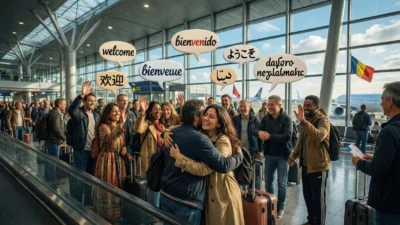

“What’s up” is one of the most common and casual phrases used in everyday conversations around the world. People use it to greet friends, start informal chats, or simply check in with someone in a relaxed way.
When users search for what’s up in different languages, they usually want natural, spoken expressions that native speakers actually use, not literal translations that sound awkward.
This phrase often changes based on culture, tone, and context, which makes it especially interesting to learn. In some languages, it may mean “how are you,” while in others it refers to “what’s happening” or “what’s new.”
This guide is created to help you understand how people casually greet each other across cultures using equivalents of “what’s up.” These expressions are commonly heard in daily life, friendly conversations, and informal settings. Each translation is paired with a short example sentence so you can clearly see how it is used in context.
Whether you are learning a language, traveling, chatting with international friends, or creating multilingual content, knowing these phrases helps you sound more natural and confident.
Learning casual greetings like this builds stronger social connections and makes communication feel effortless. Small phrases often carry big social meaning, and mastering them brings you closer to real-world language use.
| Language | Native Phrase | Example Sentence |
|---|---|---|
| English | What’s up | What’s up, how’s it going |
| Spanish | ¿Qué tal? | ¿Qué tal amigo? |
| French | Ça va ? | Ça va aujourd’hui ? |
| German | Was geht? | Was geht bei dir |
| Italian | Che succede? | Che succede amico |
| Portuguese | E aí? | E aí tudo bem |
| Dutch | Wat is er? | Wat is er vandaag |
| Russian | Что нового? | Что нового у тебя |
| Arabic | شو الأخبار؟ | شو الأخبار اليوم |
| Turkish | Ne haber? | Ne haber dostum |
| Hindi | क्या हाल है | क्या हाल है दोस्त |
| Urdu | کیا حال ہے | کیا حال ہے دوست |
| Bengali | কী খবর | কী খবর বন্ধু |
| Punjabi | ਕੀ ਹਾਲ ਹੈ | ਕੀ ਹਾਲ ਹੈ ਯਾਰ |
| Marathi | काय चाललंय | काय चाललंय मित्र |
| Tamil | என்ன விஷயம் | என்ன விஷயம் நண்பா |
| Telugu | ఏమిటి విశేషం | ఏమిటి విశేషం |
| Kannada | ಏನು ಸುದ್ದಿ | ಏನು ಸುದ್ದಿ ಸ್ನೇಹಿತ |
| Malayalam | എന്താ വിശേഷം | എന്താ വിശേഷം |
| Gujarati | શું ચાલે છે | શું ચાલે છે મિત્ર |
| Nepali | के छ खबर | के छ खबर साथी |
| Thai | เป็นไงบ้าง | เป็นไงบ้างวันนี้ |
| Vietnamese | Có chuyện gì | Có chuyện gì mới |
| Indonesian | Ada apa | Ada apa hari ini |
| Malay | Apa khabar | Apa khabar kawan |
| Filipino | Anong balita | Anong balita ngayon |
| Chinese | 怎么样 | 你怎么样 |
| Japanese | 元気? | 元気? |
| Korean | 뭐해 | 지금 뭐해 |
| Greek | Τι νέα | Τι νέα φίλε |
| Polish | Co słychać | Co słychać u ciebie |
| Czech | Co je nového | Co je nového |
| Hungarian | Mi újság | Mi újság veled |
| Romanian | Ce mai faci | Ce mai faci azi |
| Swedish | Läget? | Hur är läget |
| Norwegian | Hva skjer | Hva skjer i dag |
| Danish | Hvad så | Hvad så ven |
| Finnish | Mitä kuuluu | Mitä kuuluu |
| Irish | Cad é mar atá | Cad é mar atá |
| Welsh | Beth sy’n bod | Beth sy’n bod |
| Afrikaans | Wat gaan aan | Wat gaan aan vandag |
| Swahili | Vipi | Vipi rafiki |
| Hebrew | מה קורה | מה קורה היום |
| Persian | چه خبر | چه خبر دوست |
| Armenian | Ի՞նչ կա նոր | Ի՞նչ կա նոր |
| Georgian | რა ხდება | რა ხდება |
| Malay | Apa cerita | Apa cerita |
| Zulu | Kunani | Kunani namuhla |
| Somali | Maxaa jira | Maxaa jira maanta |
| Hawaiian | Pehea ʻoe | Pehea ʻoe |
| Icelandic | Hvað er að frétta | Hvað er að frétta |
| Estonian | Mis toimub | Mis toimub täna |
| Latvian | Kas jauns | Kas jauns |
| Lithuanian | Kas naujo | Kas naujo |
| Basque | Zer moduz | Zer moduz |
| Catalan | Què passa | Què passa avui |
| Galician | Que pasa | Que pasa hoxe |
| Albanian | Çfarë ka të re | Çfarë ka të re |
| Serbian | Šta ima | Šta ima novo |
| Croatian | Što ima | Što ima |
| Bosnian | Šta ima | Šta ima danas |
| Slovenian | Kaj je novega | Kaj je novega |
| Bulgarian | Какво ново | Какво ново |
| Ukrainian | Що нового | Що нового |
| Belarusian | Што новага | Што новага |
| Kazakh | Не жаңалық | Не жаңалық |
| Uzbek | Nima gap | Nima gap |
| Azerbaijani | Nə var | Nə var yeni |
| Mongolian | Юу байна | Юу байна |
| Thai | เป็นยังไง | เป็นยังไงบ้าง |
| Lao | ເປັນຈັ່ງໃດ | ເປັນຈັ່ງໃດ |
| Khmer | មានអីថ្មី | មានអីថ្មី |
| Amharic | ምን አዲስ | ምን አዲስ |
| Yoruba | Kini n ṣẹlẹ | Kini n ṣẹlẹ |
| Igbo | Kedu | Kedu |
| Hausa | Me ke faruwa | Me ke faruwa |
| Maori | He aha te kōrero | He aha te kōrero |
| Samoan | O ā mai | O ā mai |
| Latin | Quid agis | Quid agis |
| Esperanto | Kio okazas | Kio okazas |
Why “What’s Up” Changes Across Languages
Casual greetings reflect culture. Some languages focus on wellbeing, while others focus on news or activity. That’s why “what’s up” rarely has a single literal equivalent.
When to Use These Phrases in Conversation
These expressions are best used with friends, peers, or informal settings. Using them correctly helps you sound natural and approachable.
How Learning Casual Greetings Improves Fluency
Casual phrases like these are used daily. Learning them improves listening skills, confidence, and real-world communication much faster than formal expressions.
FAQs
Is “what’s up” formal in any language
No, it is generally informal and best used casually.
Can I use these phrases with strangers
It depends on culture, but many are safe in friendly situations.
Do these phrases mean “how are you”
Often yes, though some mean “what’s new” or “what’s happening.”
Are these phrases commonly spoken
Yes, they are widely used in everyday conversation.
Will natives understand my meaning
Yes, especially when used with friendly tone.
Final Thought
Learning how to say what’s up in different languages helps you connect naturally with people beyond textbooks and formal speech. These casual greetings reflect real life, real culture, and real conversations.
By using them, you move closer to speaking like a local and building genuine connections across languages and borders.

Mareo Parrin is a multilingual writer at Lingonast.com, specializing in language based content.
He focuses on cultural insights and practical language understanding.
His writing is clear, engaging, and easy to follow.