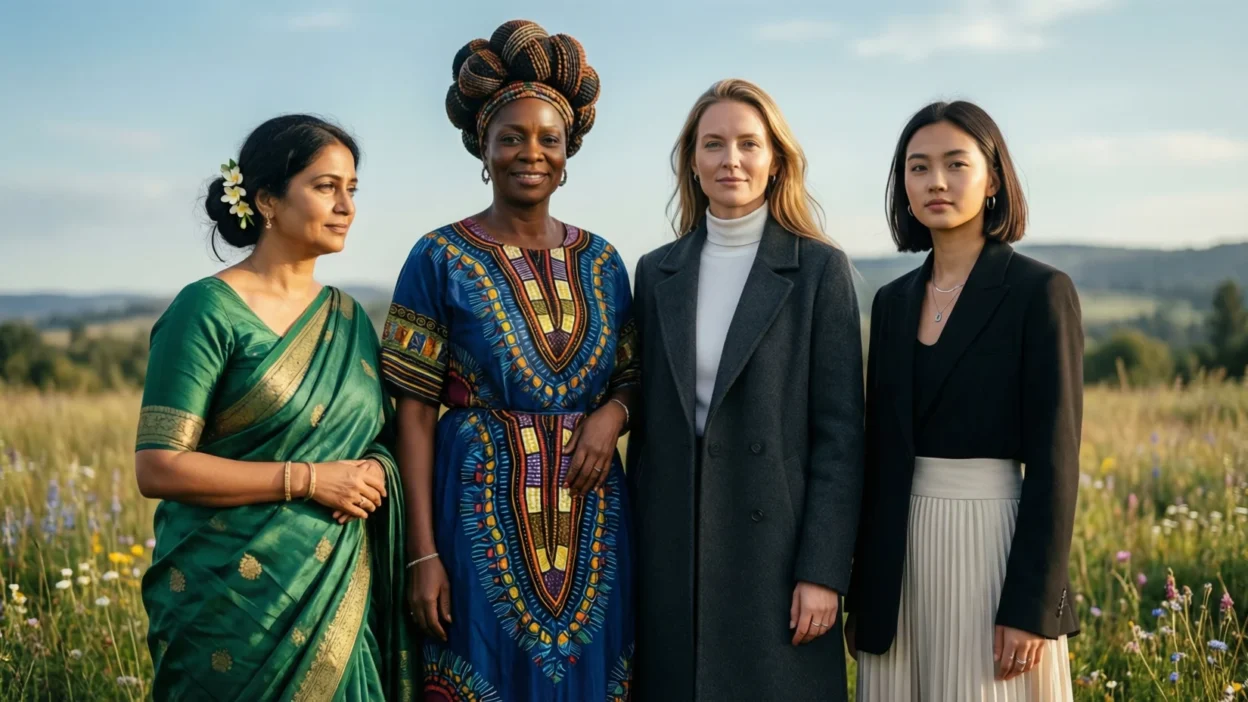
The word woman is one of the most important and widely used nouns in everyday language, because it represents identity, culture, relationships, and society itself. Therefore, learning how to say woman in different languages helps you communicate respectfully and accurately across cultures.
Moreover, when you explore woman in all languages, you gain a deeper understanding of how different societies describe gender, roles, and human connection.
As a result, this guide to woman translations and woman around the world is useful for language learners, travelers, writers, and anyone interested in global communication, since it combines native words with real-life example sentences in a clear and simple format.
| Language | Native Phrase | Native Example Sentence |
|---|---|---|
| English | Woman | The woman is reading a book. |
| Spanish | Mujer | La mujer camina por el parque. |
| French | Femme | La femme parle doucement. |
| German | Frau | Die Frau arbeitet hier. |
| Italian | Donna | La donna sorride. |
| Portuguese | Mulher | A mulher está feliz. |
| Dutch | Vrouw | De vrouw loopt naar huis. |
| Swedish | Kvinna | Kvinnan ler. |
| Norwegian | Kvinne | Kvinnen er sterk. |
| Danish | Kvinde | Kvinden taler roligt. |
| Finnish | Nainen | Nainen lukee kirjaa. |
| Russian | Женщина | Женщина идёт домой. |
| Ukrainian | Жінка | Жінка посміхається. |
| Polish | Kobieta | Kobieta pracuje. |
| Czech | Žena | Žena mluví. |
| Slovak | Žena | Žena píše list. |
| Hungarian | Nő | A nő tanul. |
| Romanian | Femeie | Femeia cântă. |
| Bulgarian | Жена | Жената готви. |
| Greek | Γυναίκα | Η γυναίκα περπατά. |
| Turkish | Kadın | Kadın gülümsüyor. |
| Arabic | امرأة | المرأة تقرأ كتابًا. |
| Hebrew | אישה | האישה מחייכת. |
| Persian | زن | زن در حال کار است. |
| Hindi | महिला | महिला काम कर रही है। |
| Urdu | عورت | عورت بات کر رہی ہے۔ |
| Bengali | নারী | নারী গান গাইছে। |
| Punjabi | ਔਰਤ | ਔਰਤ ਖੁਸ਼ ਹੈ। |
| Tamil | பெண் | பெண் பாடுகிறாள். |
| Telugu | మహిళ | మహిళ నడుస్తోంది. |
| Marathi | स्त्री | स्त्री हसते. |
| Gujarati | સ્ત્રી | સ્ત્રી વાંચે છે. |
| Kannada | ಮಹಿಳೆ | ಮಹಿಳೆ ಮಾತನಾಡುತ್ತಾಳೆ. |
| Malayalam | സ്ത്രീ | സ്ത്രീ പുഞ്ചിരിക്കുന്നു. |
| Sinhala | කාන්තාව | කාන්තාව සිනාසෙයි. |
| Thai | ผู้หญิง | ผู้หญิงกำลังเดิน |
| Vietnamese | Phụ nữ | Người phụ nữ cười. |
| Indonesian | Perempuan | Perempuan itu belajar. |
| Malay | Wanita | Wanita itu bekerja. |
| Filipino | Babae | Ang babae ay masaya. |
| Chinese (Mandarin) | 女人 | 女人在笑。 |
| Japanese | 女性 | 女性が話している。 |
| Korean | 여자 | 여자가 웃고 있다. |
| Mongolian | Эмэгтэй | Эмэгтэй инээмсэглэв. |
| Nepali | महिला | महिला हिँड्दै छ। |
| Swahili | Mwanamke | Mwanamke anacheka. |
| Zulu | Owesifazane | Owesifazane uyahamba. |
| Afrikaans | Vrou | Die vrou lag. |
| Hausa | Mace | Mace tana tafiya. |
| Yoruba | Obinrin | Obinrin naa n ṣiṣẹ. |
| Igbo | Nwanyị | Nwanyị ahụ na-agụ akwụkwọ. |
| Amharic | ሴት | ሴቷ ታስማማለች። |
| Somali | Haweeney | Haweeneydu way dhoola caddeyneysaa. |
| Icelandic | Kona | Konan brosir. |
| Irish | Bean | Tá an bhean ag caint. |
| Welsh | Menyw | Mae’r fenyw yn cerdded. |
| Basque | Emakumea | Emakumea irribarrez dago. |
| Catalan | Dona | La dona parla. |
| Galician | Muller | A muller sorrí. |
| Esperanto | Virino | La virino laboras. |
| Latvian | Sieviete | Sieviete smaida. |
| Lithuanian | Moteris | Moteris kalba. |
| Estonian | Naine | Naine loeb. |
| Slovenian | Ženska | Ženska govori. |
| Croatian | Žena | Žena sluša. |
| Serbian | Жена | Жена чита. |
| Albanian | Grua | Gruaja buzëqesh. |
| Armenian | Կին | Կինը խոսում է։ |
| Georgian | ქალი | ქალი დადის. |
| Kazakh | Әйел | Әйел күлімсірейді. |
| Uzbek | Ayol | Ayol ishlayapti. |
| Pashto | ښځه | ښځه خبرې کوي. |
| Kurdish | Jin | Jin dixebite. |
| Maori | Wahine | Kei te kata te wahine. |
| Hawaiian | Wahine | Ke hele nei ka wahine. |
What Does Woman Mean Around the World?
Across languages and cultures, woman generally refers to an adult female human, while also carrying cultural, social, and emotional meanings depending on context.
How the Word Woman Is Used in Daily Language
Woman is used in family, work, education, storytelling, and everyday conversations, making it one of the most essential words worldwide.
Why Learning Woman in Different Languages Matters
Knowing woman translations helps promote respectful communication, cultural awareness, and accurate language use in global interactions.
FAQs
What does woman mean in different languages?
It refers to an adult female person.
Is woman used formally or casually?
It is used in both formal and informal contexts.
Are there different words for woman and wife?
Yes, many languages use separate terms.
Is woman respectful in all languages?
Yes, when used correctly and contextually.
Why learn woman in many languages?
It improves cultural understanding and vocabulary.
FINAL THOUGHT
Learning how to say woman in different languages builds stronger cultural awareness and respectful communication.
By understanding native terms and real example sentences, you connect more deeply with people, languages, and traditions across the world while strengthening your global vocabulary.

Foster Hollis is a language and culture writer with a strong interest in how people communicate across borders. At Lingonast, he focuses on cultural insights and language based articles that help readers understand global traditions in a simple, engaging way.